
Category: Applications

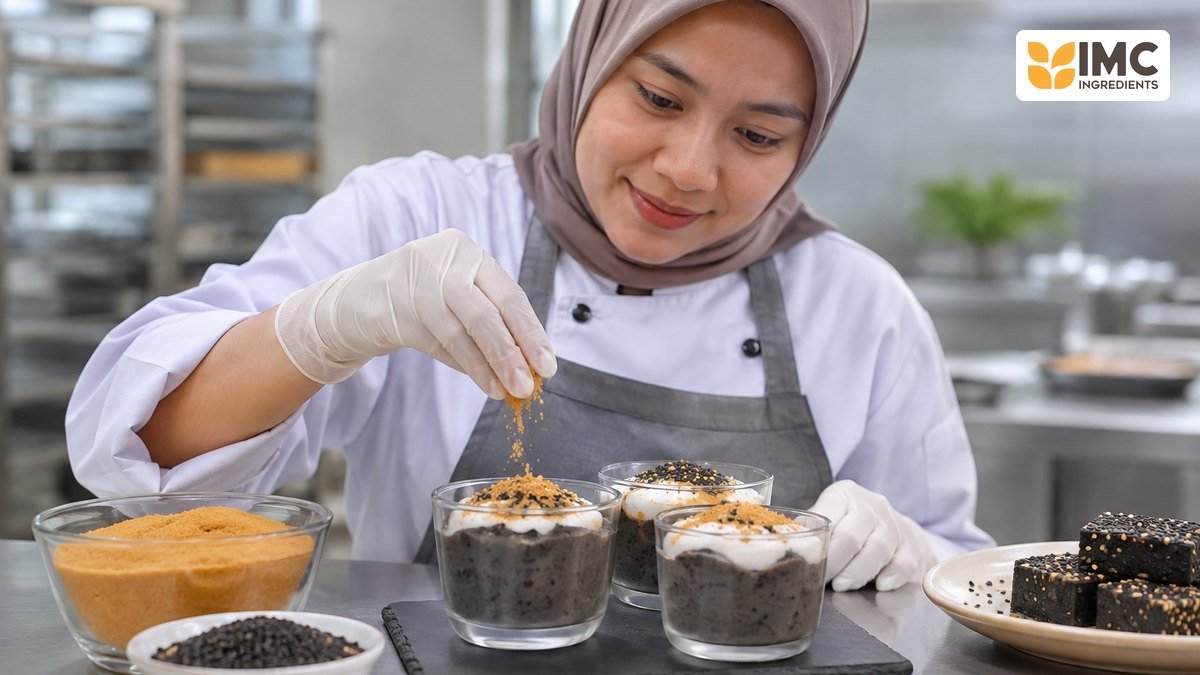
  • Coconut Sugar in Black Sesame Desserts

    Coconut Sugar in Black Sesame Desserts

    Quick answer: Black sesame has a deep, nutty and slightly bitter flavour. Coconut sugar balances this with caramel sweetness and rounds out the roasted notes. It works in black sesame paste, sweet soups, ice cream, mochi and rice ball fillings and baked goods. Toast sesame carefully and dissolve or grind the sugar finely for a smooth texture.

    Key takeaways – Caramel sweetness balances sesame bitterness. – Use fine coconut sugar for smooth pastes. – Toast sesame gently to avoid burnt flavours. – Black sesame desserts are popular across East Asia.

    The flavour pairing

    Black sesame seeds, when toasted, give an intense nutty aroma with some bitterness. White sugar provides sweetness but little extra flavour. Coconut sugar adds toffee and caramel notes that make the dessert feel richer. The darker colour of coconut sugar also suits the deep grey-black of sesame desserts.

    Dessert ideas

    Dessert How coconut sugar is used
    Black sesame paste Ground with toasted seeds
    Sweet sesame soup Dissolved in the cooking liquid
    Glutinous rice ball filling Mixed with sesame and fat
    Ice cream Dissolved in the custard base
    Mochi In filling or dusting
    Cookies and cakes Creamed or mixed into batter

    Making a smooth paste

    Toast black sesame seeds in a dry pan over low heat until fragrant. Cool, then grind with fine coconut sugar. Sugar helps the grinding process and absorbs released oil. Add a little neutral oil or melted butter if a softer paste is wanted. Fine sugar avoids a gritty texture.

    Sweet sesame soup

    For a traditional-style sweet soup, blend toasted sesame with water and a little rice flour, then cook while stirring. Add coconut sugar to taste and stir until dissolved. The soup should be smooth and slightly thick.

    Rice ball fillings

    A classic filling mixes ground sesame, sugar and fat, then chills it to firm up. Coconut sugar gives a deeper flavour. Chill well before shaping so the filling holds.

    Ice cream

    Dissolve coconut sugar in warm milk or custard base, then add ground sesame. Chill and churn. Sugar affects freezing point and softness, so keep the total sugar level similar to a tested recipe.

    Tips for producers

    • Control roasting time and temperature for consistent flavour.
    • Store toasted sesame in airtight packaging to avoid rancidity.
    • Use fine coconut sugar for pastes and fillings.
    • Test shelf life for pastes, which contain oil and sugar.

    Presentation ideas

    Black sesame desserts look striking when served with contrasting colours. A drizzle of coconut sugar syrup over grey sesame ice cream adds shine and a warm brown accent. White glutinous rice balls filled with dark sesame paste show a clear contrast when cut open. A sprinkle of toasted white sesame and a few flakes of salt on top of a sesame pudding adds texture and makes the dessert look more finished.

    Where does IMC fit?

    PT Integral Mulia Cipta (IMC Group) has produced coconut sugar in Central Java, Indonesia, since 2012. IMC supplies organic and conventional coconut sugar in mesh 14 and mesh 50 to dessert and food producers.

    FAQ

    Why pair coconut sugar with black sesame? Its caramel notes balance sesame bitterness.

    How do I avoid gritty paste? Use fine coconut sugar and grind well.

    Can I use it in sesame ice cream? Yes, dissolved in the base.

    How should toasted sesame be stored? In airtight packaging to prevent rancidity.


    Questions about coconut sugar for your products? PT Integral Mulia Cipta (IMC Group), a Central Java producer since 2012, is happy to help. Email info@organic-coconut-sugar.com or WhatsApp +62 821 1348 5564.
  • Coconut Sugar in Tofu and Tempeh Marinades

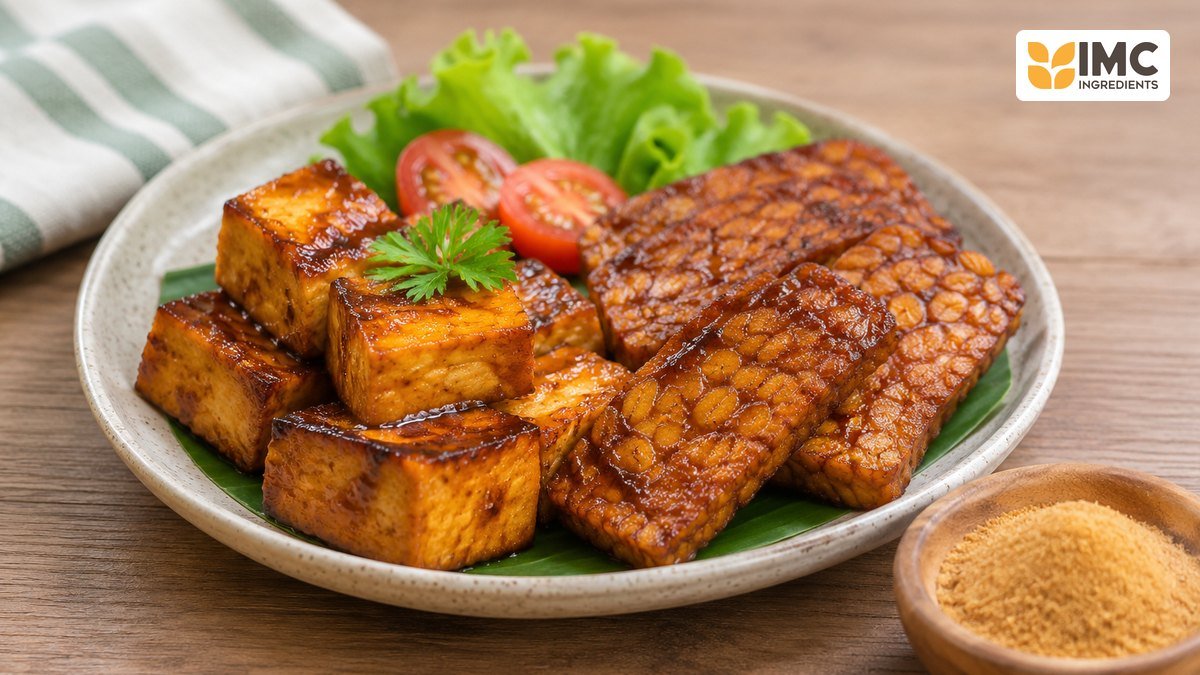
    Coconut Sugar in Tofu and Tempeh Marinades

    Quick answer: Coconut sugar is a natural fit for tofu and tempeh marinades. It balances soy sauce, chilli, garlic and lime, and helps the surface caramelise when pan-fried or baked. Use mesh 50 so it dissolves fully, and cook at moderate heat, because sugary marinades on dense tempeh can darken quickly.

    Key takeaways – Coconut sugar balances salty and spicy flavours. – Mesh 50 dissolves quickly in marinades. – Tempeh and tofu absorb flavour differently. – Moderate heat avoids dark, bitter edges.

    Why coconut sugar suits plant proteins

    Tofu and tempeh have mild flavours, so marinades do most of the work. Coconut sugar adds caramel depth and helps glazes cling. In Indonesia, tempeh is often cooked with a sweet and savoury sauce, so coconut sugar has a long culinary link with this ingredient.

    Marinade building blocks

    Ingredient Role
    Soy sauce Salt and umami
    Coconut sugar Sweetness, gloss, colour
    Garlic, shallot, ginger Aroma
    Chilli Heat
    Lime or tamarind Acidity
    Oil Carries flavour, helps browning

    Tofu versus tempeh

    Firm tofu is moist and soaks up liquid slowly. Pressing it first helps. Tempeh is firmer and denser; steaming it briefly before marinating helps it absorb flavour and removes any bitterness. Both benefit from several hours of marinating in the refrigerator.

    Method

    1. Dissolve mesh 50 coconut sugar in soy sauce and lime juice.
    2. Add aromatics, chilli and oil.
    3. Coat pressed tofu or steamed tempeh.
    4. Marinate chilled for the planned time.
    5. Pan-fry, bake or grill at moderate heat.
    6. Reduce leftover marinade into a glaze.

    For plant-based food producers

    Producers of ready-to-cook tofu and tempeh products need consistent flavour and colour. Fix the sugar dose by weight, record lots, and check colour after cooking. If the product is pasteurised or retorted, test how heat treatment changes colour and taste.

    Glaze and sauce ideas

    A reduced coconut sugar and soy glaze makes a glossy finish. Add sesame seeds or spring onions for garnish. For a sweet-spicy flavour, add chilli paste. For a lighter version, use less sugar and more lime.

    Labelling

    Declare soy and any other allergens correctly. Name coconut sugar in the ingredient list and count it as added sugar where required.

    Storage of marinated products

    Marinated tofu and tempeh are perishable and must be kept chilled. Validate shelf life with real storage tests, including taste and colour checks. Vacuum packs help the marinade stay in contact with the protein and reduce air exposure.

    Where does IMC fit?

    PT Integral Mulia Cipta (IMC Group) has produced coconut sugar in Central Java, Indonesia, since 2012. IMC supplies mesh 50 and mesh 14 coconut sugar, including organic, to plant-based food producers and food service businesses.

    FAQ

    Why steam tempeh before marinating? It helps absorb flavour and reduces bitterness.

    Which grade suits marinades? Mesh 50, because it dissolves fast.

    Why are my edges too dark? Heat is too high for a sugary marinade.

    Can the marinade become a glaze? Yes, reduce it gently in a pan.


    Looking for a reliable coconut sugar partner? Contact PT Integral Mulia Cipta (IMC Group) in Central Java, Indonesia: info@organic-coconut-sugar.com or WhatsApp +62 821 1348 5564.

  • Coconut Sugar in Sweet Corn Desserts

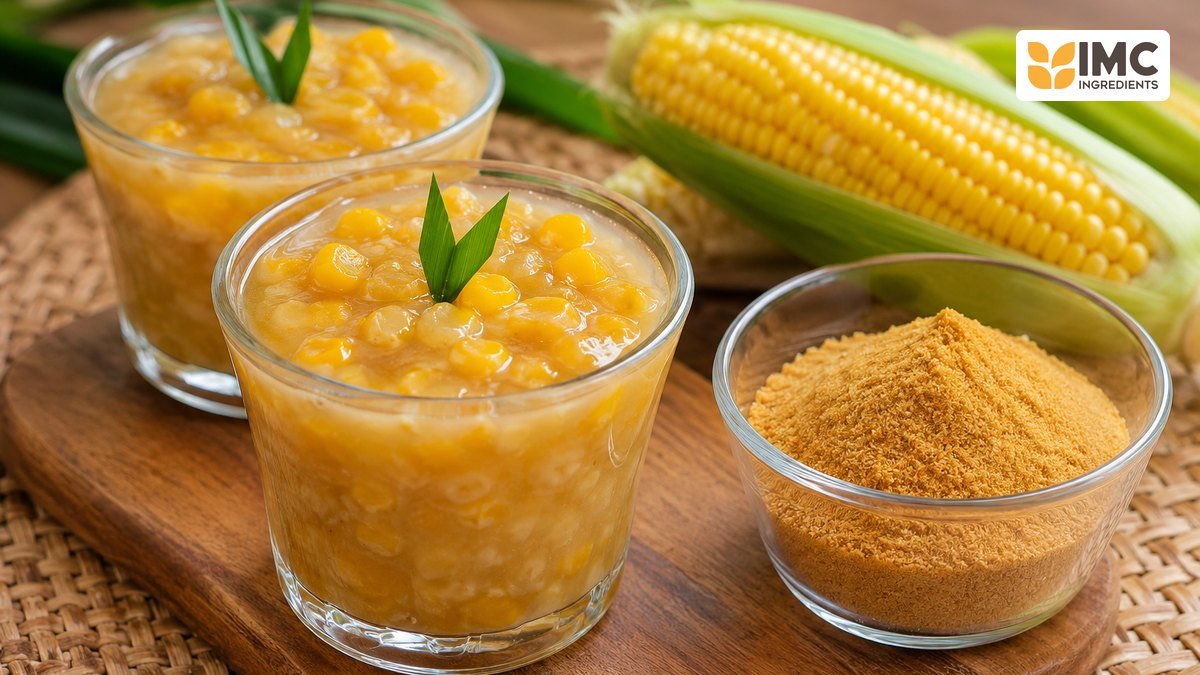
    Coconut Sugar in Sweet Corn Desserts

    Quick answer: Coconut sugar pairs well with sweet corn in puddings, porridges, ice cream and drinks. Its caramel notes complement the natural sweetness and creamy texture of corn. Use mesh 50 for fast dissolving and add it towards the end of cooking in light desserts to keep the colour appealing.

    Key takeaways – Coconut sugar complements sweet corn flavour. – Works in puddings, porridges, ice cream and drinks. – Adds colour, so add late in pale desserts. – Mesh 50 dissolves quickly.

    Sweet corn in desserts

    Sweet corn is used in desserts across Southeast and East Asia. Common examples are corn puddings set with starch, corn porridges with coconut milk, corn ice cream and blended corn drinks. These desserts are creamy, mildly sweet and comforting.

    Uses of coconut sugar

    Dessert How to use Tip
    Corn pudding Dissolve in cooking liquid Add late for lighter colour
    Corn porridge Stir in during simmering Pair with coconut milk
    Corn ice cream Dissolve in base Check freezing point effects
    Corn drink Use as syrup Blend and strain
    Topping Drizzle syrup Adds contrast

    Cooking tips

    1. Cook corn kernels until soft.
    2. Blend part of the corn for a creamy texture.
    3. Add coconut milk and a pinch of salt.
    4. Add mesh 50 coconut sugar near the end.
    5. Thicken with starch if making a pudding.
    6. Cool and set as needed.

    Colour balance

    Sweet corn desserts are often pale yellow. Coconut sugar shifts the colour towards golden or beige. If a bright yellow colour is important, use a partial swap or serve coconut sugar syrup as a drizzle instead of mixing it in.

    Ice cream notes

    Sugar affects how hard ice cream freezes. Coconut sugar behaves much like sucrose in this role. Keep total sugar similar to your current recipe and test scoopability after hardening.

    Food service ideas

    Corn and coconut sugar desserts suit cafés and Asian restaurants. Serve warm porridge in winter and corn ice cream in summer. A coconut sugar drizzle adds visual appeal and lets guests adjust sweetness.

    Shelf life for packaged desserts

    Packaged puddings and drinks need validated heat treatment and cold storage. Test colour, taste and texture over the planned shelf life.

    Flavour pairing ideas

    Pandan, vanilla, salt and toasted sesame all work with corn and coconut sugar. A pinch of salt sharpens the sweetness and makes the corn taste fuller. Crunchy toppings such as toasted rice or nuts add contrast to soft puddings.

    Where does IMC fit?

    PT Integral Mulia Cipta (IMC Group) has produced coconut sugar in Central Java, Indonesia, since 2012. IMC supplies mesh 50 and mesh 14 coconut sugar, including organic, to dessert makers and food service businesses.

    FAQ

    Does coconut sugar suit sweet corn? Yes, its caramel notes complement corn.

    Will it change the colour? It makes desserts golden; add late or use a drizzle.

    Can I use it in corn ice cream? Yes, keep total sugar similar to your recipe.

    Which grade is best? Mesh 50.


    Questions about coconut sugar for your products? PT Integral Mulia Cipta (IMC Group), a Central Java producer since 2012, is happy to help. Email info@organic-coconut-sugar.com or WhatsApp +62 821 1348 5564.
  • Coconut Sugar in Taro Drinks

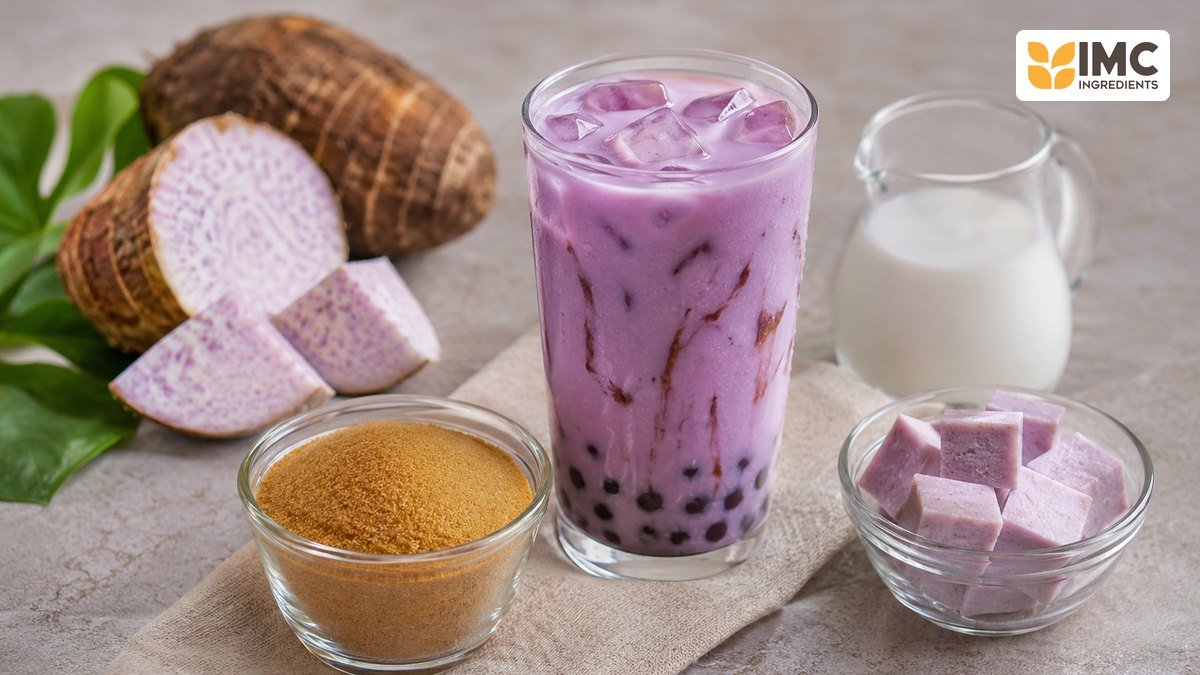
    Coconut Sugar in Taro Drinks

    Quick answer: Coconut sugar sweetens taro drinks well when used as a syrup. Its caramel notes pair with the nutty, vanilla-like flavour of taro. Because coconut sugar is brown, it can shift the lilac colour of a taro drink towards beige, so many cafés use a partial swap or add the syrup as a visible layer.

    Key takeaways – Use coconut sugar as a syrup for cold drinks. – It pairs well with taro’s nutty flavour. – It may change the drink’s lilac colour. – Layering can turn colour into a feature.

    Why taro drinks are popular

    Taro drinks are a favourite in bubble tea shops and cafés. They are made with taro paste, taro powder or cooked taro, blended with milk or plant milk and ice. The drinks are creamy, mildly sweet and often lilac in colour.

    Ways to use coconut sugar

    Method Effect
    Coconut sugar syrup mixed in Caramel sweetness, beige tint
    Partial swap with white syrup Keeps more lilac colour
    Syrup layer on glass wall Visual stripes, flavour contrast
    Sweetened taro paste Sweetness built into the base
    Sugar rim with mesh 14 Crunch and decoration

    Making the syrup

    Dissolve mesh 50 coconut sugar in hot water at 1:1 or 2:1 by weight. Stir without boiling hard, cool and store in a clean bottle in the refrigerator. A rich 2:1 syrup is easier to dose in small amounts.

    Building the drink

    1. Add taro paste or powder to the cup or shaker.
    2. Add the coconut sugar syrup dose.
    3. Add milk or plant milk and ice.
    4. Shake or blend until smooth.
    5. Add toppings such as tapioca pearls.

    Colour considerations

    If the lilac colour is part of the brand, start with a partial swap, such as half coconut sugar syrup and half white syrup. Another option is to swirl coconut sugar syrup on the inside of the cup before adding the drink. The brown stripes look attractive and keep the taro colour visible.

    Sweetening taro paste

    Some shops make their own taro paste by mashing cooked taro with sugar and milk. Coconut sugar can sweeten the paste directly. Cook gently, as sugar can scorch at the bottom of the pan.

    Consistency for chains

    Write the syrup ratio and dose on every recipe card. Use pumps for exact dosing. Check sweetness with a refractometer if you produce syrup centrally for several outlets.

    Hot taro drinks

    Coconut sugar also suits hot taro lattes. Add the syrup to the hot milk and stir well before pouring. In hot drinks, granulated mesh 50 coconut sugar can be used directly, as it dissolves quickly in warm liquid.

    Where does IMC fit?

    PT Integral Mulia Cipta (IMC Group) has produced coconut sugar in Central Java, Indonesia, since 2012. IMC supplies fine mesh 50 coconut sugar for syrups, as well as mesh 14 and organic options, to beverage and café businesses.

    FAQ

    Does coconut sugar suit taro? Yes, its caramel notes pair with taro’s nutty flavour.

    Will the drink lose its lilac colour? It can; use a partial swap or a syrup layer.

    What syrup ratio is best? 1:1 or 2:1 by weight.

    Can I sweeten taro paste with it? Yes, cook gently to avoid scorching.


    Questions about coconut sugar for your products? PT Integral Mulia Cipta (IMC Group), a Central Java producer since 2012, is happy to help. Email info@organic-coconut-sugar.com or WhatsApp +62 821 1348 5564.
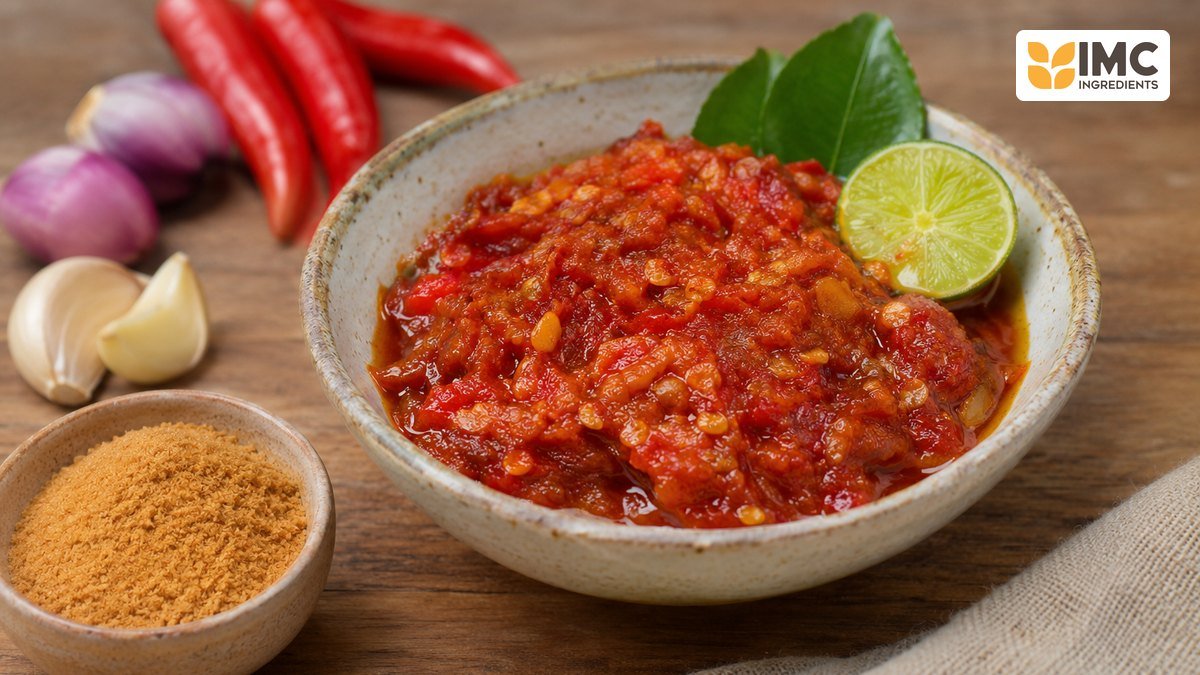
  • Coconut Sugar in Sambal Recipes

    Coconut Sugar in Sambal Recipes

    Quick answer: Coconut sugar is a traditional ingredient in many Indonesian sambal recipes. A small amount balances chilli heat, salt and sour notes and deepens the flavour of cooked sambal. Use mesh 50 for fast dissolving, add it early in cooked sambal and check colour and acidity if you produce sambal for retail.

    Key takeaways – Coconut sugar balances heat, salt and acidity. – Small amounts make a big difference. – Cooked sambal gains a deeper colour. – Retail sambal needs shelf life validation.

    Why sugar belongs in sambal

    Sambal is a chilli-based sauce or paste found across Indonesia. Many recipes include coconut sugar to round out the sharp heat of chilli and the saltiness of shrimp paste or salt. The sweetness is usually subtle, but it makes the flavour feel complete.

    Common sambal styles

    Style How coconut sugar is used
    Raw ground sambal Ground with chilli, shallot, salt
    Cooked sambal Added while frying the paste
    Sweet-spicy sambal Higher sugar level, glossy finish
    Tomato sambal Balances tomato acidity
    Sambal for dipping Dissolved with lime juice

    Raw sambal method

    Grind chillies, shallots, garlic and salt. Add a small amount of mesh 50 coconut sugar and lime juice. Taste and adjust. Fine sugar dissolves quickly in the moist paste.

    Cooked sambal method

    1. Grind chillies, shallots and garlic.
    2. Fry the paste in oil over moderate heat.
    3. Add coconut sugar and salt.
    4. Cook until oil separates and colour deepens.
    5. Add tomato, lime or tamarind as needed.
    6. Cool and store in clean jars.

    Sugar helps the paste caramelise, but stir often to prevent scorching.

    For sambal producers

    Retail sambal needs consistent heat, sweetness and colour. Weigh ingredients, record lots and measure pH and water activity where relevant. Shelf life and safety depend on the full formula and process, so work with a food technologist to validate them.

    Pairing ideas

    Sweet-spicy sambal pairs with fried tofu, tempeh, rice dishes and grilled vegetables. Tomato sambal suits fried snacks. A light sambal with lime works as a dip.

    Labelling

    Name coconut sugar in the ingredient list. If the sambal contains shrimp paste, fish or other allergens, declare them. Count coconut sugar as added sugar where rules require it.

    Jar filling and storage

    Fill jars while the sambal is hot if your validated process requires it, then close and cool. Leave a thin layer of oil on top to limit air contact. Once opened, store in the refrigerator and use a clean spoon each time.

    Where does IMC fit?

    PT Integral Mulia Cipta (IMC Group) has produced coconut sugar in Central Java, Indonesia, since 2012. IMC supplies mesh 50 and mesh 14 coconut sugar, including organic, to sauce makers and Indonesian food producers.

    FAQ

    Why add sugar to sambal? To balance heat, salt and acidity.

    How much should I use? Usually a small amount; taste and adjust.

    When should I add it in cooked sambal? While frying the paste, stirring often.

    Does retail sambal need testing? Yes, validate shelf life and safety.


    IMC Group (PT Integral Mulia Cipta) supplies fine-granule organic coconut sugar from Central Java to food companies worldwide. Talk to our team: info@organic-coconut-sugar.com or WhatsApp +62 821 1348 5564.

  • Coconut Sugar in Serabi Pancakes and Kinca Syrup

    Coconut Sugar in Serabi Pancakes and Kinca Syrup

    Quick answer: Serabi are small Indonesian pancakes made from rice flour and coconut milk. They are often served with kinca, a sweet syrup made from coconut sugar, coconut milk and pandan. Coconut sugar sweetens both the batter and the syrup, giving the dish its classic caramel taste and amber colour.

    Key takeaways – Serabi and kinca are classic coconut sugar dishes. – Use mesh 50 for quick dissolving. – Cook kinca gently to avoid splitting coconut milk. – Serve syrup separately to keep pancakes soft.

    About serabi

    Serabi are cooked in small clay or metal pans over heat. The batter is made with rice flour, coconut milk, a little leavening and sugar or salt. They have a soft, spongy centre and a crisp edge. Some versions are plain and some are sweet.

    About kinca

    Kinca is a sauce made by simmering coconut sugar with water or coconut milk and a pandan leaf. It can be thin or thick, depending on the cooking time. It is poured over serabi just before eating.

    Basic roles of coconut sugar

    Component Use Result
    Batter Mesh 50 dissolved in coconut milk Light sweetness, brown tint
    Kinca syrup Simmered with pandan Caramel flavour, amber colour
    Topping Mesh 14 sprinkled on Crunch, sweetness

    Making kinca

    1. Dissolve coconut sugar in a little water over low heat.
    2. Add a knotted pandan leaf.
    3. Add coconut milk and a pinch of salt.
    4. Simmer gently, stirring, until slightly thick.
    5. Strain and serve warm.

    Do not boil hard after adding coconut milk, as it can split. If a thicker sauce is needed, a little rice flour or starch slurry helps.

    Batter tips

    Dissolve coconut sugar in warm coconut milk before adding it to the flour. Rest the batter so the rice flour hydrates. Cook on moderate heat; sugar in the batter can make the bottom brown quickly.

    Food service and packaged products

    Cafés outside Indonesia sell serabi as a specialty dessert. Pre-made kinca can be prepared daily and kept chilled. For packaged products, kinca needs a validated process and shelf life testing. Pack pancakes and syrup separately so the pancakes stay soft.

    Menu ideas

    Serabi with kinca can be served with banana slices, jackfruit pieces or toasted coconut flakes. A mini serabi set makes a good sharing dessert in cafés. Menus can describe the syrup simply as coconut sugar syrup with pandan.

    Consistency tips for kitchens

    Write the kinca recipe with weights, cooking time and final thickness. Use the same pan size and heat level each time. Taste a spoonful before service and adjust with a little water if the syrup has become too thick on standing.

    Where does IMC fit?

    PT Integral Mulia Cipta (IMC Group) has produced coconut sugar in Central Java, Indonesia, since 2012. IMC supplies mesh 50 and mesh 14 coconut sugar, including organic, to food service and Indonesian food producers worldwide.

    FAQ

    What is kinca? A sweet syrup made with coconut sugar, coconut milk and pandan.

    Why did my kinca split? The coconut milk was boiled too hard.

    Which grade suits the batter? Mesh 50.

    Can serabi and kinca be packed? Yes, pack them separately.


    Questions about coconut sugar for your products? PT Integral Mulia Cipta (IMC Group), a Central Java producer since 2012, is happy to help. Email info@organic-coconut-sugar.com or WhatsApp +62 821 1348 5564.

  • Coconut Sugar in Korean-Style Bulgogi Marinades

    Coconut Sugar in Korean-Style Bulgogi Marinades

    Quick answer: Coconut sugar works well in Korean-style bulgogi marinades as a 1:1 swap for white or brown sugar by weight. It balances soy sauce, garlic and fruit, and helps the meat caramelise on a hot grill. Use mesh 50 so it dissolves fully, and watch grill heat, because sugary marinades can char quickly.

    Key takeaways – Swap 1:1 by weight for the sugar in the recipe. – Mesh 50 dissolves quickly in cold marinades. – Coconut sugar adds caramel depth. – Control grill heat to avoid burning.

    Why sugar matters in bulgogi

    A bulgogi-style marinade usually combines soy sauce, sugar, garlic, sesame oil, black pepper and grated fruit such as pear or apple. Sugar balances the saltiness of soy, adds gloss and supports browning on the grill. Coconut sugar does all of this and adds a rounder caramel note.

    Typical marinade structure

    Ingredient group Role
    Soy sauce Salt and umami
    Coconut sugar Sweetness, colour, gloss
    Grated fruit Fruity sweetness, tenderising enzymes
    Garlic and spring onion Aroma
    Sesame oil Nutty flavour
    Pepper Mild heat

    How to use coconut sugar

    1. Dissolve mesh 50 coconut sugar in the soy sauce first.
    2. Stir until no granules remain.
    3. Add grated fruit, garlic and the rest of the ingredients.
    4. Mix with thinly sliced meat or plant-based protein.
    5. Marinate in the refrigerator for the planned time.

    Grilling and pan cooking

    Sugar in the marinade helps the meat brown quickly. Coconut sugar can colour slightly faster than white sugar. Cook on high heat for a short time and turn the meat often. Wipe excess marinade before cooking if pieces darken too fast.

    For sauce and ready-meal producers

    Industrial marinades and bottled sauces need consistent sweetness and colour. Fix the coconut sugar dose by weight, record the lot number, and check colour and Brix on each batch. If the sauce is heat treated, test whether the colour deepens during processing and adjust the recipe if needed.

    Plant-based versions

    The same marinade works on tofu, mushrooms and textured plant proteins. Because these absorb flavour differently, test marinating times. Coconut sugar keeps the marinade fully plant-based, which suits vegan product lines.

    Labelling notes

    List coconut sugar by its name in the ingredient list. Soy sauce and sesame are allergens in many markets and must be declared correctly. Count coconut sugar as added sugar where rules require it.

    Shelf life and storage of marinades

    Raw meat marinades should be made and used under cold chain control. Bottled marinades need their own shelf life tests, including checks on colour and flavour over time. Store opened bottles in the refrigerator and follow the label instructions.

    Where does IMC fit?

    PT Integral Mulia Cipta (IMC Group) has produced coconut sugar in Central Java, Indonesia, since 2012. IMC supplies mesh 50 and mesh 14 coconut sugar, including organic, to sauce makers and food service businesses.

    FAQ

    Can I replace white sugar 1:1? Yes, by weight.

    Which grade dissolves best in marinades? Mesh 50.

    Will the meat burn faster? It can colour slightly faster; control heat.

    Does it work for plant-based bulgogi? Yes, with tofu, mushrooms and plant proteins.


    IMC Group (PT Integral Mulia Cipta) supplies fine-granule organic coconut sugar from Central Java to food companies worldwide. Talk to our team: info@organic-coconut-sugar.com or WhatsApp +62 821 1348 5564.

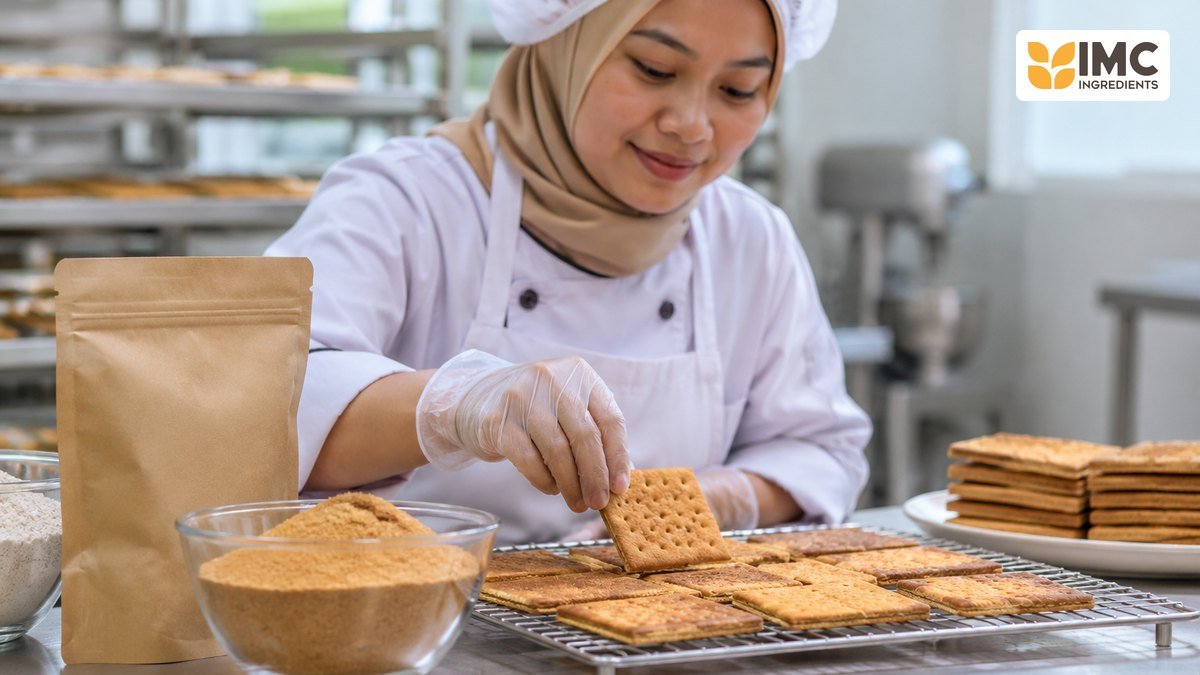
  • Coconut Sugar in Graham-Style Crackers

    Coconut Sugar in Graham-Style Crackers

    Quick answer: Coconut sugar suits graham-style crackers because it adds the caramel, slightly molasses-like flavour these crackers are known for. Use mesh 50 in the dough, replace brown sugar 1:1 by weight and add a little liquid if you also replace honey. Bake evenly and cool fully before packing to keep the snap.

    Key takeaways – Coconut sugar gives a natural caramel note. – Mesh 50 blends smoothly into whole-grain dough. – Replace brown sugar 1:1 by weight. – Moisture control keeps crackers crisp.

    Why coconut sugar fits

    Graham-style crackers are made with whole-wheat flour, sugar, fat and often honey or molasses. They have a warm, toasty flavour and a firm snap. Coconut sugar brings similar warm notes and a golden-brown colour, which suits both crackers sold as snacks and crumbs used for cheesecake bases.

    Typical formula roles

    Ingredient Role
    Whole-wheat flour Structure, flavour
    Coconut sugar Sweetness, colour, caramel notes
    Fat Tenderness, snap
    Liquid sweetener or water Dough binding
    Leavening Light texture
    Cinnamon (optional) Spice flavour

    Dough tips

    1. Cream fat and mesh 50 coconut sugar until even.
    2. Add liquid ingredients and mix briefly.
    3. Add flour and leavening; mix only until combined.
    4. Rest the dough to hydrate the bran.
    5. Sheet evenly to keep thickness consistent.
    6. Dock the dough to prevent bubbles.

    Replacing honey

    If you remove honey and use only coconut sugar, the dough becomes drier. Add a little water or milk to keep it workable. Taste the result, as honey also carries flavour.

    Baking and colour

    Coconut sugar can brown slightly faster than white sugar. Watch the edges and reduce oven temperature a little if they darken before the centre is dry. A long, moderate bake gives a crisp cracker with even colour.

    Crackers for crumbs and crusts

    Many crackers are ground into crumbs for pie and cheesecake bases. Coconut sugar crackers give a deeper colour crust. If you sell crumbs, test how they bind with butter or plant fat and how they bake in the customer’s recipe.

    Shelf life and packaging

    Crackers lose snap when they take up moisture. Cool fully before packing, use moisture-barrier film and check texture at the end of shelf life. Store finished goods in a dry warehouse.

    Flavour variations

    Coconut sugar crackers can be flavoured with cinnamon, cocoa, ginger or vanilla. A cinnamon-sugar top coat with mesh 14 adds sparkle and crunch. Keep any coating light so the crackers stay easy to stack and pack.

    Where does IMC fit?

    PT Integral Mulia Cipta (IMC Group) has produced coconut sugar in Central Java, Indonesia, since 2012. IMC supplies mesh 50 and mesh 14 coconut sugar, including organic, to bakeries and snack manufacturers.

    FAQ

    Can coconut sugar replace brown sugar in crackers? Yes, 1:1 by weight.

    What if I remove honey? Add a little liquid to keep the dough workable.

    Will the crackers be darker? Slightly; watch baking temperature.

    How do I keep them crisp? Cool fully and use moisture-barrier packaging.


    PT Integral Mulia Cipta (IMC Group) has produced organic coconut sugar in Central Java, Indonesia, since 2012. For specifications or samples, email info@organic-coconut-sugar.com or WhatsApp +62 821 1348 5564.
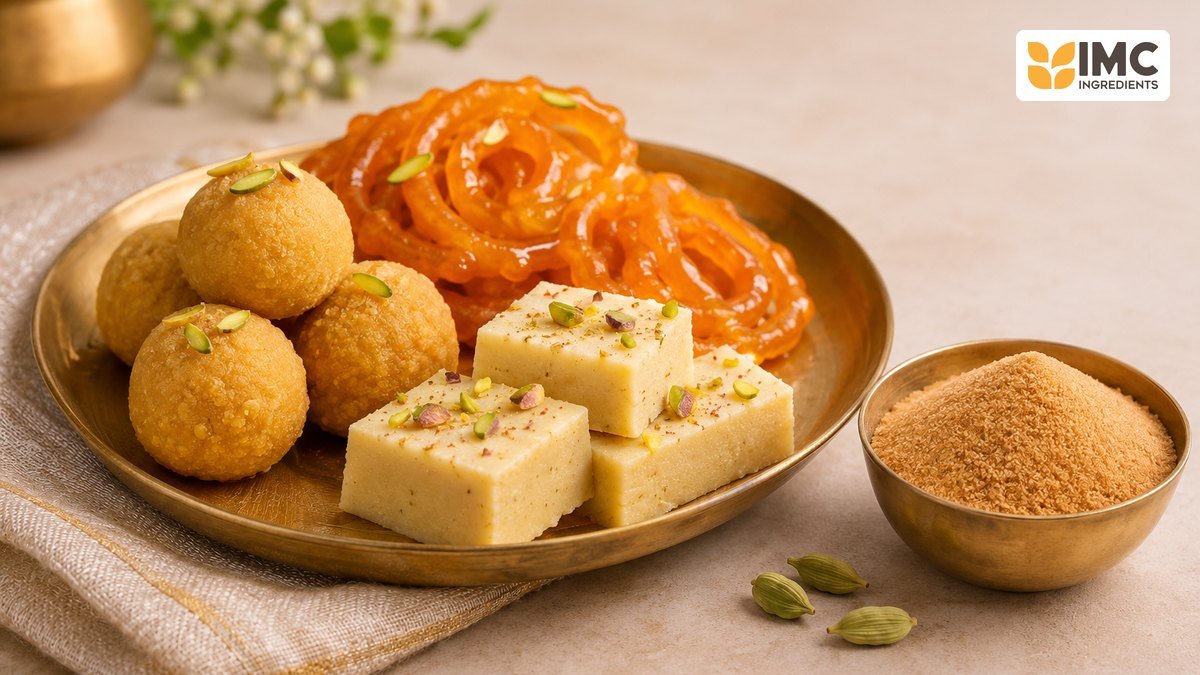
  • Coconut Sugar in Indian-Style Sweets

    Coconut Sugar in Indian-Style Sweets

    Quick answer: Coconut sugar can sweeten many Indian-style sweets, especially those that already use jaggery-like brown sugars. It works in ladoo, milk-based sweets, halwa-style puddings and sugar syrups. Its caramel flavour pairs well with cardamom, ghee and nuts. In pale milk sweets, expect a darker colour and test the balance.

    Key takeaways – Fits sweets that traditionally use brown sugars. – Pairs well with cardamom, ghee and nuts. – Makes milk-based sweets darker. – Syrups need careful heating.

    Why coconut sugar fits

    Many Indian-style sweets use unrefined sugars that bring colour and depth. Coconut sugar has a similar warm, caramel character, which makes it a natural choice for sweets with a brown colour. Producers selling to diaspora markets and specialty shops use it to offer a different sweetener on the label.

    Uses by sweet type

    Sweet type Use of coconut sugar Notes
    Ladoo Mixed with roasted flour, ghee, nuts Mesh 50 blends well
    Milk-based fudge-style sweets Added near the end of cooking Darker colour
    Halwa-style puddings Dissolved during cooking Rich caramel taste
    Syrup-soaked sweets Made into syrup Watch syrup strength
    Chikki-style brittles Melted with nuts Cook carefully

    Making ladoo

    Roast flour or gram flour in ghee, cool slightly, then add mesh 50 coconut sugar, cardamom and chopped nuts. Mix well and shape while warm. The fine granules blend smoothly and help the ladoo hold together.

    Milk-based sweets

    When milk is reduced with sugar, add the coconut sugar later in cooking to limit dark colour and scorching. Stir constantly. Coconut sugar can make the sweet beige or light brown, which some buyers find attractive and others do not, so make a sample first.

    Syrups for soaking

    For sweets soaked in syrup, dissolve coconut sugar in water and simmer gently to the strength needed. Flavour with cardamom, rose water or saffron. Strain before use. Measure strength with a refractometer for consistency.

    Brittles and nut bars

    For chikki-style brittles, coconut sugar can be melted with a little water and cooked until thick before adding nuts. It melts differently from jaggery, so test temperatures and timing in small batches.

    Production tips

    1. Weigh all ingredients for consistency.
    2. Record cooking times and temperatures.
    3. Cool products before packing.
    4. Use packaging that limits moisture uptake.
    5. Run shelf life tests for texture and taste.

    Festival season planning

    Demand for sweets rises sharply around festivals. Plan ingredient orders early, keep coconut sugar in dry storage and rotate stock. A trial batch before the busy season helps avoid surprises on the production line.

    Where does IMC fit?

    PT Integral Mulia Cipta (IMC Group) has produced coconut sugar in Central Java, Indonesia, since 2012. IMC supplies mesh 50 and mesh 14 coconut sugar, including organic, to confectionery and sweet makers.

    FAQ

    Can coconut sugar replace jaggery? In many recipes it can, but taste and texture differ; test first.

    Will milk sweets turn brown? They will be darker; add sugar late in cooking.

    Which grade suits ladoo? Mesh 50.

    Does it work in syrups? Yes, simmer gently and strain.


    Looking for a reliable coconut sugar partner? Contact PT Integral Mulia Cipta (IMC Group) in Central Java, Indonesia: info@organic-coconut-sugar.com or WhatsApp +62 821 1348 5564.
  • Coconut Sugar in Cookie Doughs for Retail

    Coconut Sugar in Cookie Doughs for Retail

    Quick answer: Coconut sugar works in retail cookie doughs, whether chilled, frozen or bake-at-home. Use mesh 50, replace white or brown sugar 1:1 by weight and test spread, colour and chew after storage. Doughs with coconut sugar bake to a deeper colour, so check baking instructions on the pack carefully.

    Key takeaways – Swap 1:1 by weight for white or brown sugar. – Mesh 50 gives the smoothest dough. – Test spread and colour after storage. – Update pack baking instructions.

    Retail dough formats

    Format Storage Key concern
    Chilled dough rolls Refrigerated Moisture migration, texture
    Frozen dough pucks Frozen Bake from frozen performance
    Scoop-and-bake tubs Refrigerated Scoopability
    Edible-style doughs Chilled Ingredient safety, heat-treated flour

    Effects on dough

    Coconut sugar is drier than brown sugar and slightly more hygroscopic than white sugar. In dough, this can change texture over time. It may also change spread, because sugar dissolving during baking influences how cookies flatten.

    Formulation steps

    1. Start from your current recipe as the control.
    2. Swap sugar 1:1 by weight with mesh 50.
    3. Keep fat, flour and egg levels the same.
    4. Mix and portion as usual.
    5. Store samples under real conditions.
    6. Bake at several points during shelf life.

    Spread and chew

    If cookies spread less than before, slightly raise the fat or liquid, or let dough soften before baking. If they spread too much, chill the dough or add a little flour. For a chewier cookie, a small amount of liquid sweetener can help, but declare it correctly.

    Colour and baking instructions

    Coconut sugar cookies bake to a golden-brown colour more quickly. Consumers judge doneness by colour, so they may underbake or overbake. Test the pack instructions in normal home ovens and state time ranges clearly.

    Storage and moisture

    Chilled and frozen doughs are packed in films that slow moisture loss. Check that the dough does not become dry or crumbly at the end of shelf life. Frozen doughs should bake well straight from the freezer if the pack says so.

    Labelling

    Name coconut sugar in the ingredient list and count it as added sugar where required. If the product uses organic coconut sugar, organic claims need certification of the final product.

    Mix-ins and flavour pairing

    Chocolate chips, nuts, oats and dried fruit all pair well with coconut sugar’s caramel notes. Spiced doughs with cinnamon or ginger also work well. Check that mix-ins do not draw moisture from the dough during storage.

    Where does IMC fit?

    PT Integral Mulia Cipta (IMC Group) has produced coconut sugar in Central Java, Indonesia, since 2012. IMC supplies mesh 50 and mesh 14 coconut sugar, including organic, to bakery and dough manufacturers.

    FAQ

    Can I swap sugar 1:1 in cookie dough? Yes, by weight.

    Will cookies spread differently? They may; adjust fat, liquid or chilling.

    Do I need new baking instructions? Test them, because colour develops faster.

    Which grade is best for dough? Mesh 50.


    PT Integral Mulia Cipta (IMC Group) has produced organic coconut sugar in Central Java, Indonesia, since 2012. For specifications or samples, email info@organic-coconut-sugar.com or WhatsApp +62 821 1348 5564.