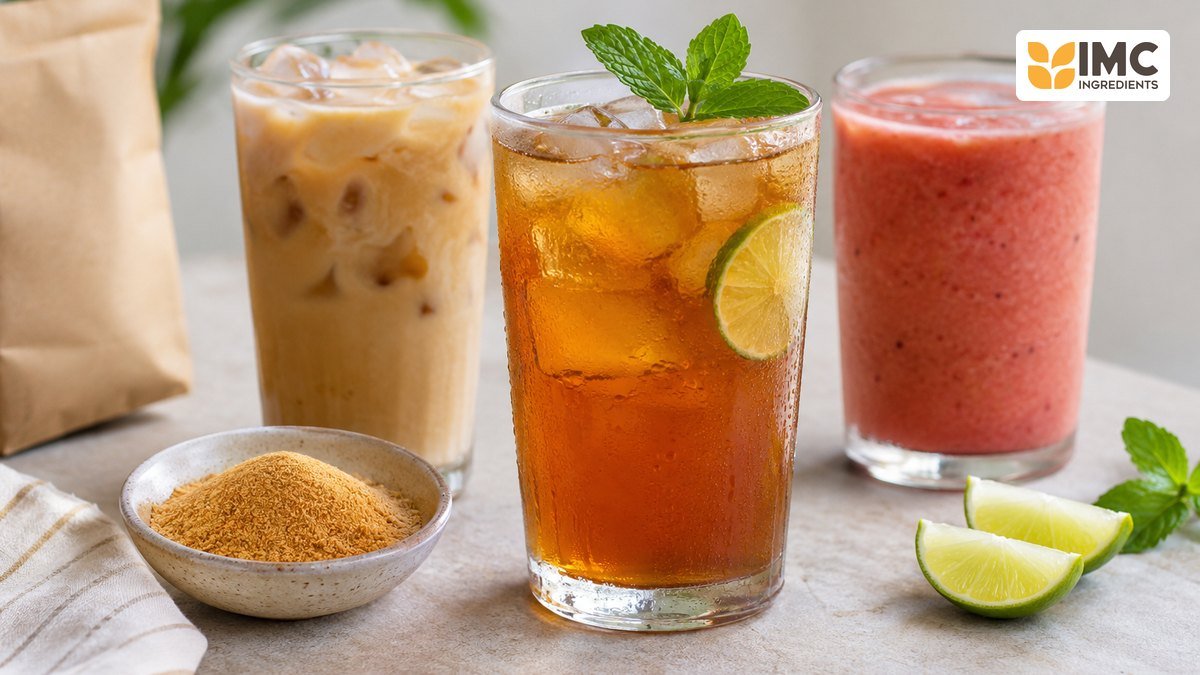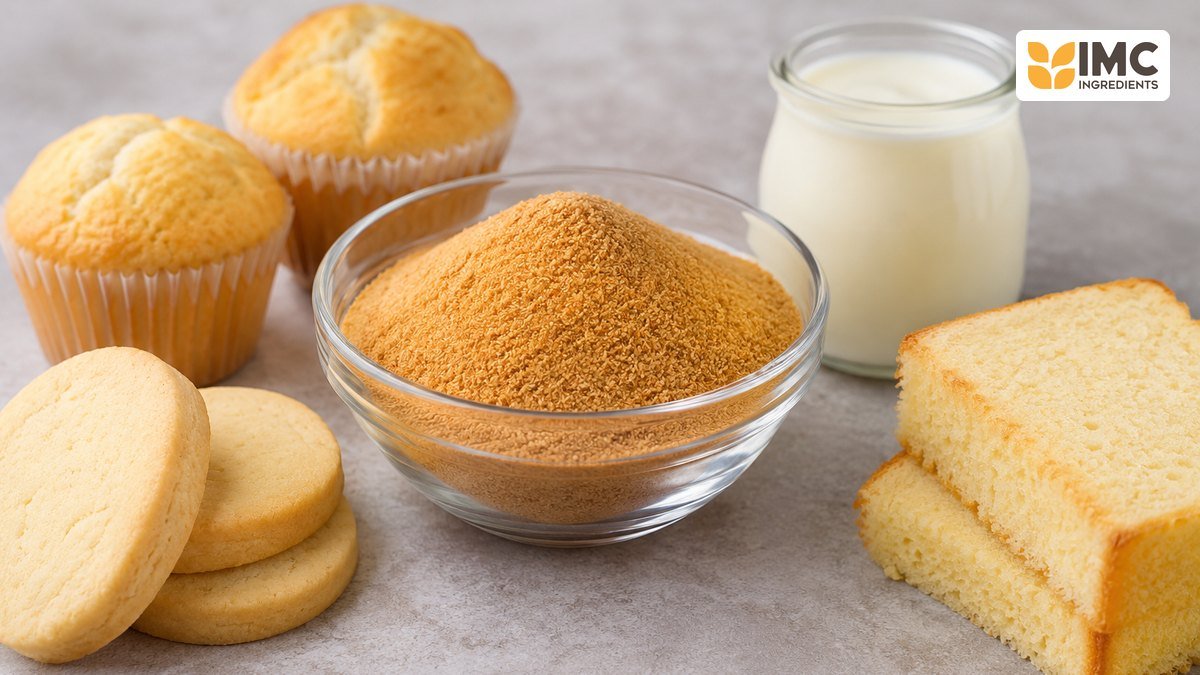

Quick answer: Food developers often blend coconut sugar with other sweeteners to balance flavour, colour, cost and function. Common partners include cane sugar, honey, maple syrup, fruit concentrates and rice syrup. Blending lets a product keep coconut sugar’s caramel notes while adjusting sweetness, texture and colour. Each blend should be tested and labelled correctly.
Key takeaways – Blends balance flavour, colour, cost and function. – Start with small changes and taste-test. – Different sweeteners bring different moisture and browning. – List every sweetener on the label as required.
Why blend?
Using one sweetener does not always give the best result. Coconut sugar adds flavour and colour, but a product may need a lighter colour, a different texture or a set cost. A blend gives more control. It also lets brands mention coconut sugar while keeping familiar taste.
Common pairings
| Partner | Reason to blend | Watch out for |
|---|---|---|
| Cane sugar | Lighter colour, neutral sweetness | Less caramel flavour |
| Honey | Floral notes, moisture | Faster browning, liquid |
| Maple syrup | Complementary caramel | Cost, liquid |
| Rice syrup | Binding in bars | Lower sweetness |
| Fruit concentrates | Fruity notes | Acidity, colour |
Balancing sweetness
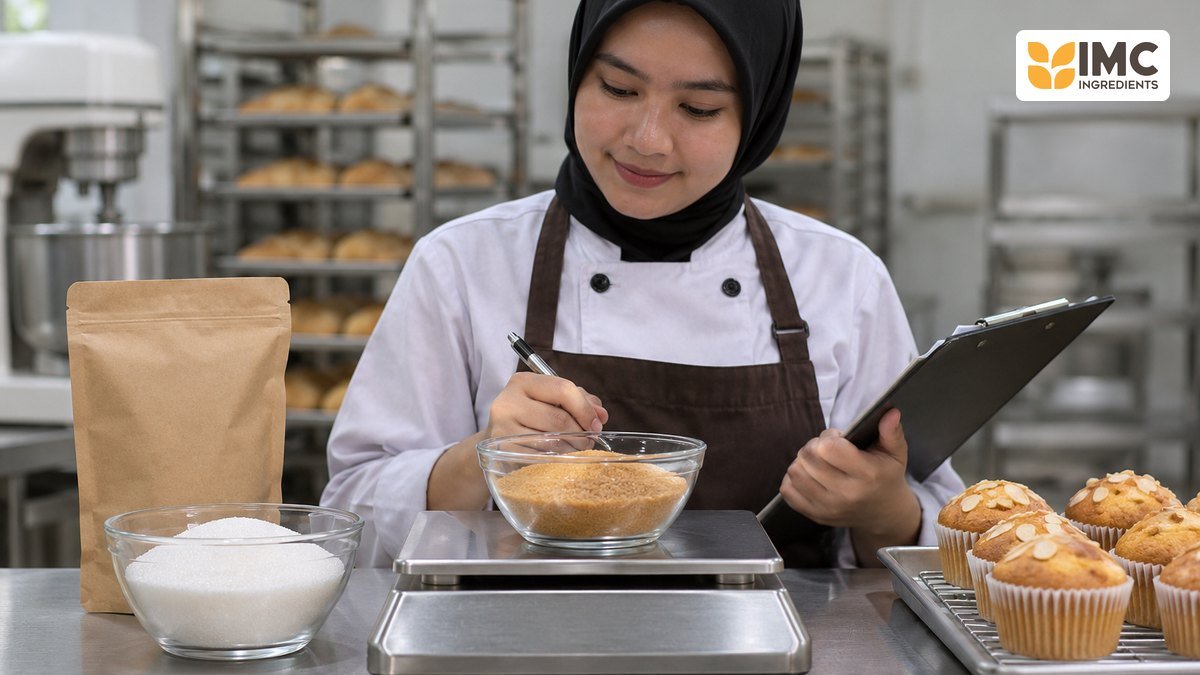
Sweeteners differ in sweetness and taste profile. Coconut sugar, being mainly sucrose, has sweetness similar to cane sugar. Syrups add water, which may need adjusting elsewhere. Run small trials with different ratios, such as 25, 50 and 75 percent coconut sugar, and use a taste panel to compare.
Function in the product
- Browning: coconut sugar and honey brown faster.
- Moisture: syrups add water and soften texture.
- Binding: syrups help in bars and clusters.
- Crystallisation: blends may change how sugars set.
- Flavour: each sweetener changes the profile.
Process considerations
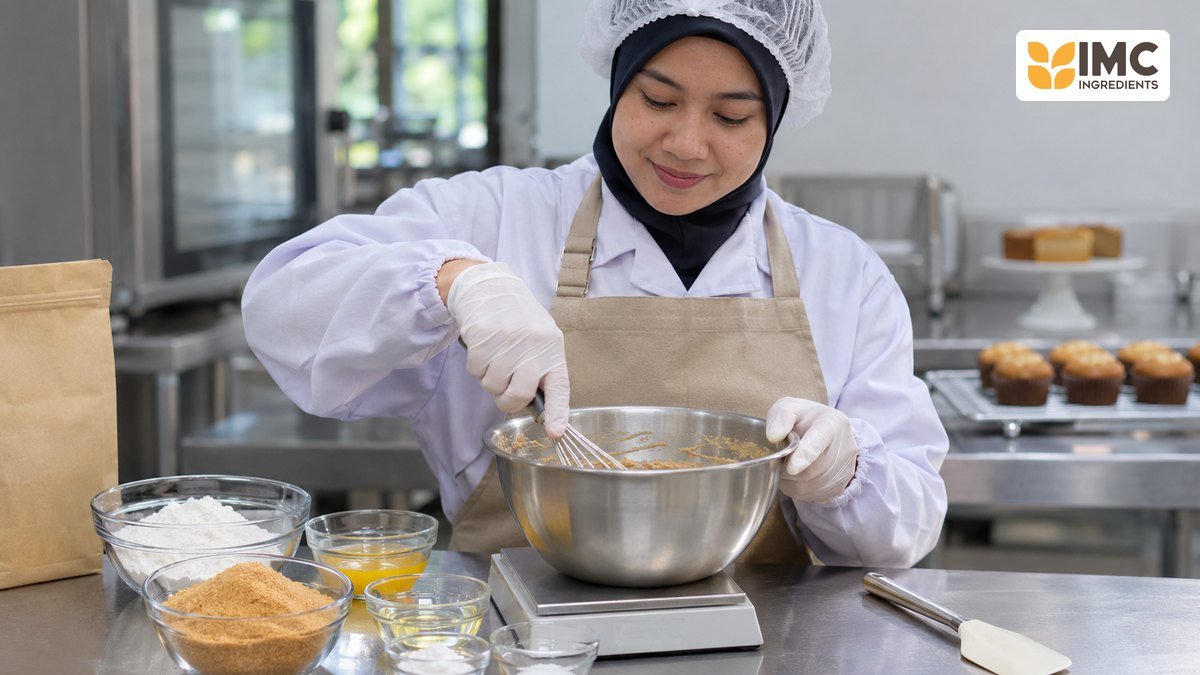
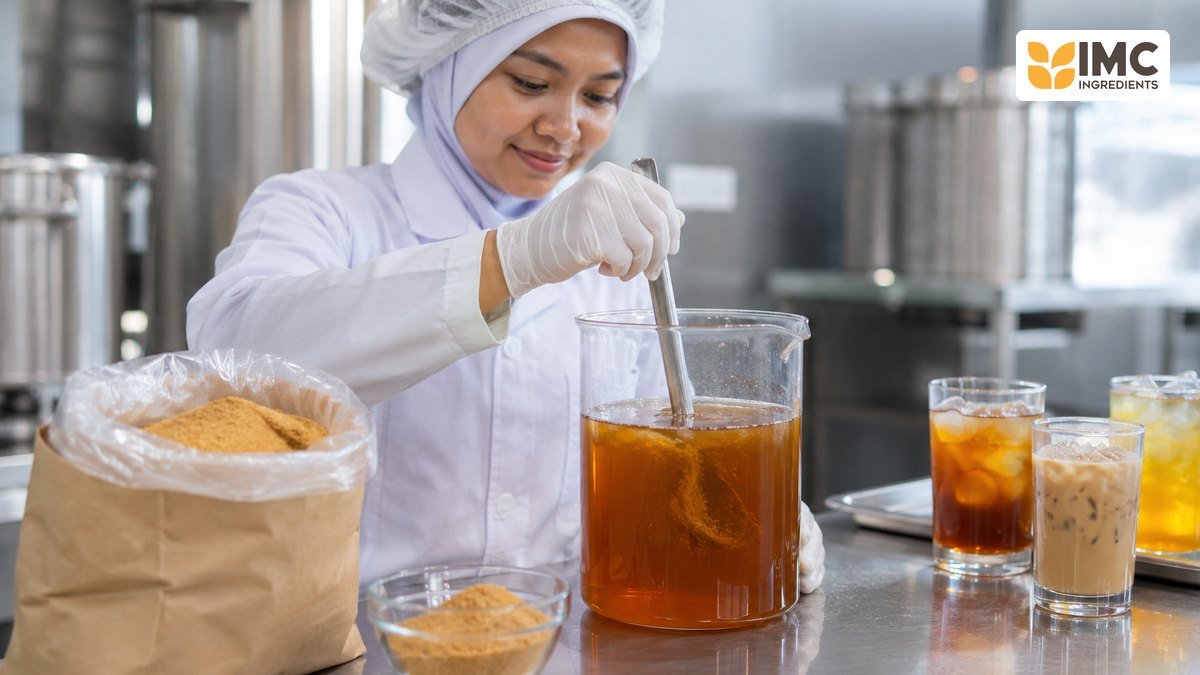
Dry blends are easy to mix in powder products. Liquid sweeteners may need heating or a different mixing step. Particle size matters for dry blends; fine coconut sugar mixes more evenly with other fine ingredients.
Labelling
Each sweetener must appear in the ingredient list in order of weight, following local rules. Front-of-pack wording should be accurate. If a product is called “sweetened with coconut sugar” but contains other sugars, check local rules on such statements.
Testing
Test blends for taste, texture and shelf life. Check that colour and flavour stay stable over time. Record the ratio and process for consistent production.
Cost and supply
Blending can help manage cost and secure supply by not relying on one sweetener. Agree specifications for each sweetener with suppliers.
Example trial plan
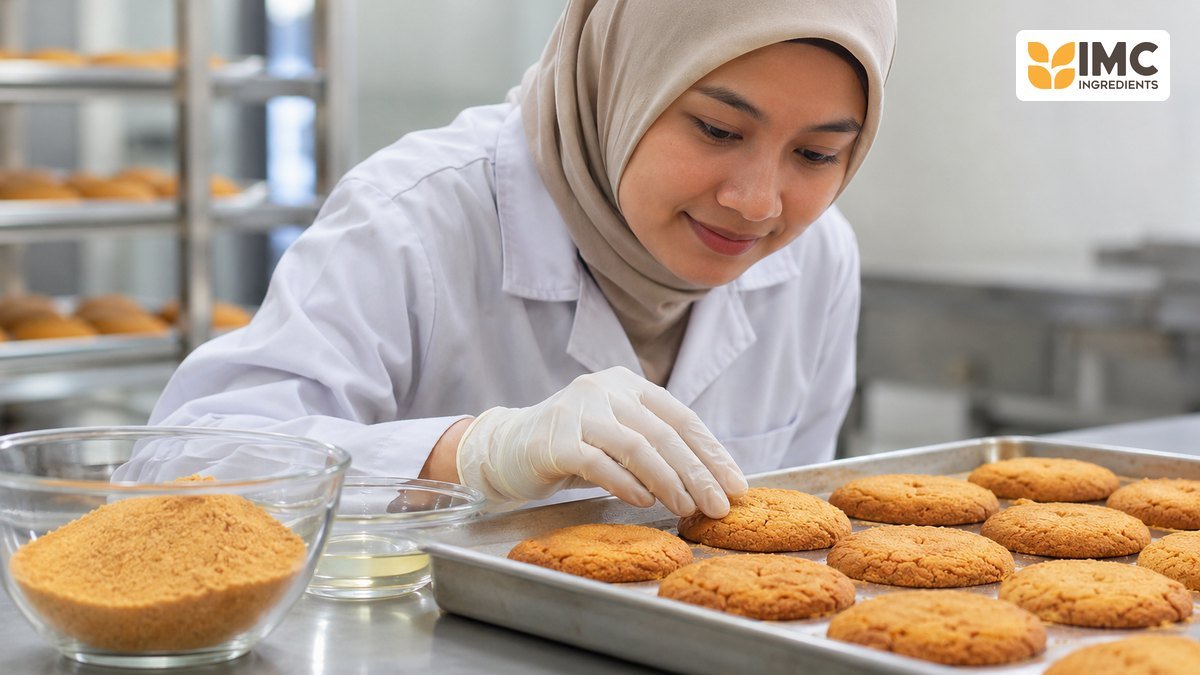
A simple trial plan can compare four versions of the same product: 100 percent cane sugar, 75 percent cane with 25 percent coconut sugar, a 50-50 blend and 100 percent coconut sugar. Keep all other ingredients and process steps the same. Measure colour, taste, texture and any process differences, such as mixing time or browning. Scoring each version on a simple scale shows which blend best fits the product goals.
Where does IMC fit?
PT Integral Mulia Cipta (IMC Group) has produced coconut sugar in Central Java, Indonesia, since 2012. IMC supplies organic and conventional coconut sugar in mesh 14 and mesh 50; the fine mesh 50 grade blends evenly with other dry ingredients.
FAQ
Why blend coconut sugar with other sweeteners? To balance flavour, colour, cost and function.
Which sweeteners pair well? Cane sugar, honey, maple syrup, rice syrup and fruit concentrates.
Does blending affect labelling? Yes, every sweetener must be listed.
How should blends be tested? For taste, texture and shelf life.
Looking for a reliable coconut sugar partner? Contact PT Integral Mulia Cipta (IMC Group) in Central Java, Indonesia: info@organic-coconut-sugar.com or WhatsApp +62 821 1348 5564.