
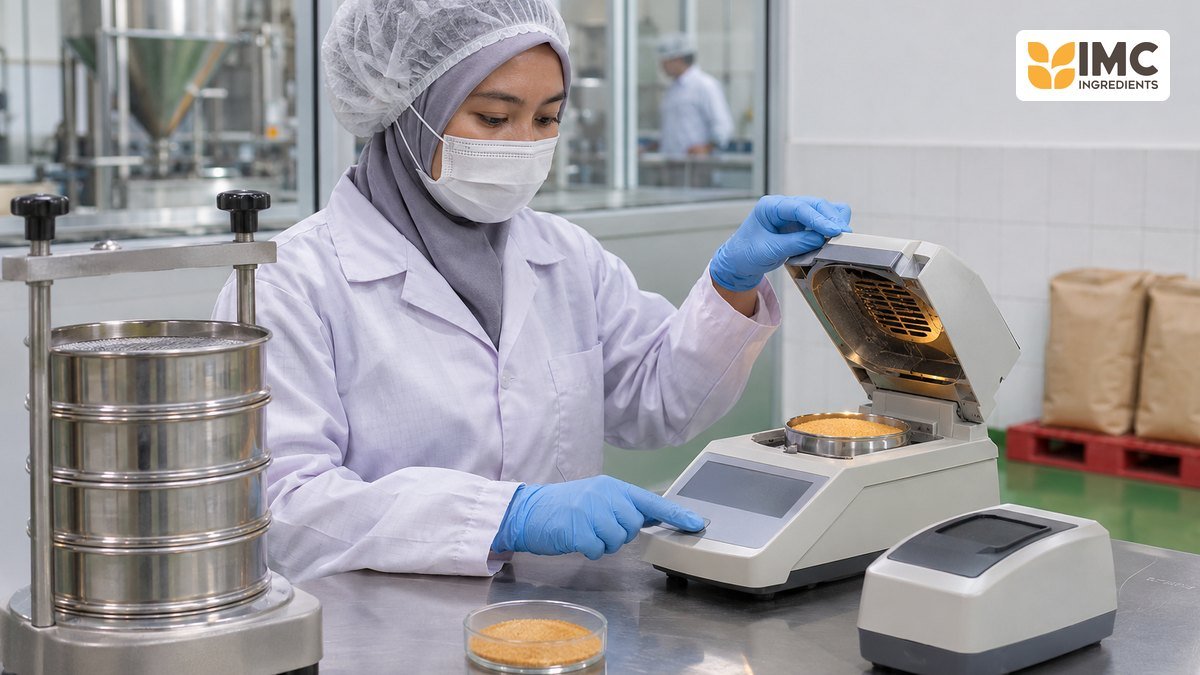
Quick answer: Good Manufacturing Practice (GMP) is a set of basic rules that keep food safe and consistent. In a sugar factory, GMP covers building design, hygiene, staff practices, pest control, water quality, cleaning, equipment care and record keeping. GMP is the foundation for HACCP and food safety certifications.
Key takeaways – GMP covers people, buildings, equipment and records. – Hygiene and cleaning prevent contamination. – Pest control and water quality are essential. – GMP supports HACCP and certification.
What GMP means in practice
GMP turns food safety principles into daily habits. In a coconut sugar factory, it means clean areas, trained staff, safe water, controlled pests and documented checks. It is not a single test but a way of working.
Main GMP areas
| Area | Examples |
|---|---|
| Building | Smooth walls, screened windows, good drainage |
| Staff hygiene | Handwashing, clean uniforms, hairnets |
| Health rules | Reporting illness, covering wounds |
| Cleaning | Schedules, approved chemicals, checks |
| Pest control | Traps, monitoring, records |
| Water | Safe source, regular testing |
| Equipment | Food-grade materials, maintenance |
| Storage | Dry, clean, off the floor |
| Records | Logs, training, corrective actions |
Staff practices
- Wash hands before work and after breaks.
- Wear clean uniforms, hairnets and masks where required.
- Remove jewellery.
- Eat and drink only in designated areas.
- Report illness to the supervisor.
Zoning
Factories separate raw material areas from finished product areas. Packing rooms often have stricter rules because the product is exposed. Clear signs and colour-coded tools help staff follow the zones.
Cleaning and sanitation
Cleaning schedules list what to clean, how, how often and who is responsible. Checks confirm that cleaning was done. In sugar processing, dry cleaning is often preferred in dry areas to prevent moisture problems.
Pest control
Factories use physical barriers, traps and regular inspections. Results are recorded and reviewed. Many factories use an external pest control service.
Records and training
GMP only works if it is documented and staff are trained. Training records, cleaning logs, pest reports and maintenance records show auditors and buyers that GMP is followed every day.
Internal audits
Many factories carry out regular internal GMP inspections. A team walks through the site with a checklist and notes any gaps, such as damaged screens or missing records. Findings are fixed and followed up. This keeps standards high between external audits.
Where does IMC fit?
PT Integral Mulia Cipta (IMC Group) has produced coconut sugar in Central Java, Indonesia, since 2012. IMC produces mesh 14 and mesh 50 coconut sugar, including organic, and welcomes buyer questions about its production practices.
FAQ
What is GMP? Basic rules for safe and consistent food production.
Is GMP the same as HACCP? No, GMP is the foundation that HACCP builds on.
Why is dry cleaning used? To avoid moisture problems with sugar.
What records should exist? Cleaning, pest control, training and maintenance logs.
Looking for a reliable coconut sugar partner? Contact PT Integral Mulia Cipta (IMC Group) in Central Java, Indonesia: info@organic-coconut-sugar.com or WhatsApp +62 821 1348 5564.