
Author: IMC Group

  • Coconut Sugar in Dry Mixes vs Wet Batters

    Coconut Sugar in Dry Mixes vs Wet Batters

    Quick answer: In dry mixes, coconut sugar must stay free-flowing and blend evenly, so fine mesh 50, low moisture and good packaging are key. In wet batters, the main task is dissolving the sugar and managing colour and browning. The same sugar can work in both, but the risks and checks are different.

    Key takeaways – Dry mixes: focus on flow, blending and caking. – Wet batters: focus on dissolving and browning. – Mesh 50 suits both in most cases. – Packaging matters more for dry mixes.

    Two different jobs for one ingredient

    In a dry mix, such as a cake or pancake mix, the sugar sits with flour, starch and leavening for months. It must not clump or react. In a wet batter, made fresh in a bakery, the sugar dissolves within minutes and works with eggs, fat and liquid. Understanding these roles helps formulators avoid problems.

    Comparison

    Point Dry mixes Wet batters
    Main risk Caking in storage Fast browning
    Grade Mesh 50 Mesh 50 or 14
    Moisture control Critical Less critical
    Mixing focus Even blending Full dissolving
    Packaging Moisture barrier Not relevant
    Shelf life test Months Hours to days

    Tips for dry mixes

    1. Use mesh 50 so particles match flour and starch.
    2. Check the moisture of incoming coconut sugar.
    3. Blend in a dry room with low humidity.
    4. Consider a small amount of flow aid if allowed.
    5. Use moisture-barrier packs.
    6. Run accelerated and real-time storage tests.

    Tips for wet batters

    1. Cream or dissolve the sugar fully with fat or liquid.
    2. Allow a short rest if granules remain.
    3. Lower baking temperature slightly if colour is too dark.
    4. Check the centre for doneness, as colour can mislead.
    5. Taste for sweetness balance.

    Mixing order matters

    In dry mixes, add the sugar early so it spreads evenly through the blend. In batters, dissolving the sugar in the wet ingredients first gives a smoother result than adding it with the flour.

    Shelf life thinking

    Dry mixes may sit in warm shops and kitchens. Coconut sugar can draw moisture from the air if packaging is weak. Test the mix at warm and humid conditions to see whether lumps form. For batters, shelf life relates to the finished product rather than the sugar.

    Instructions for the end user

    For retail dry mixes, the pack instructions matter. Tell users how much liquid to add, how long to mix and what oven temperature to use. Mention that the finished product will be golden to brown, so customers know the colour is expected.

    Testing both formats

    Make a control version with your current sugar for both a dry mix and a fresh batter. Compare flow, lumping, batter thickness, rise, colour and taste. Record the results so you can repeat the best version.

    Where does IMC fit?

    PT Integral Mulia Cipta (IMC Group) has produced coconut sugar in Central Java, Indonesia, since 2012. IMC supplies fine mesh 50 and coarse mesh 14 coconut sugar, including organic, packed in paper bags with a food-grade PE liner.

    FAQ

    Which grade suits dry mixes? Mesh 50, to match flour particle size.

    Why do dry mixes clump? Moisture uptake during storage.

    Why do batters brown faster? Coconut sugar can brown faster than white sugar.

    Should I dissolve the sugar first in batters? Yes, it helps give a smooth batter.


    Questions about coconut sugar for your products? PT Integral Mulia Cipta (IMC Group), a Central Java producer since 2012, is happy to help. Email info@organic-coconut-sugar.com or WhatsApp +62 821 1348 5564.

  • Coconut Sugar in Cookie Doughs for Retail

    Coconut Sugar in Cookie Doughs for Retail

    Quick answer: Coconut sugar works in retail cookie doughs, whether chilled, frozen or bake-at-home. Use mesh 50, replace white or brown sugar 1:1 by weight and test spread, colour and chew after storage. Doughs with coconut sugar bake to a deeper colour, so check baking instructions on the pack carefully.

    Key takeaways – Swap 1:1 by weight for white or brown sugar. – Mesh 50 gives the smoothest dough. – Test spread and colour after storage. – Update pack baking instructions.

    Retail dough formats

    Format Storage Key concern
    Chilled dough rolls Refrigerated Moisture migration, texture
    Frozen dough pucks Frozen Bake from frozen performance
    Scoop-and-bake tubs Refrigerated Scoopability
    Edible-style doughs Chilled Ingredient safety, heat-treated flour

    Effects on dough

    Coconut sugar is drier than brown sugar and slightly more hygroscopic than white sugar. In dough, this can change texture over time. It may also change spread, because sugar dissolving during baking influences how cookies flatten.

    Formulation steps

    1. Start from your current recipe as the control.
    2. Swap sugar 1:1 by weight with mesh 50.
    3. Keep fat, flour and egg levels the same.
    4. Mix and portion as usual.
    5. Store samples under real conditions.
    6. Bake at several points during shelf life.

    Spread and chew

    If cookies spread less than before, slightly raise the fat or liquid, or let dough soften before baking. If they spread too much, chill the dough or add a little flour. For a chewier cookie, a small amount of liquid sweetener can help, but declare it correctly.

    Colour and baking instructions

    Coconut sugar cookies bake to a golden-brown colour more quickly. Consumers judge doneness by colour, so they may underbake or overbake. Test the pack instructions in normal home ovens and state time ranges clearly.

    Storage and moisture

    Chilled and frozen doughs are packed in films that slow moisture loss. Check that the dough does not become dry or crumbly at the end of shelf life. Frozen doughs should bake well straight from the freezer if the pack says so.

    Labelling

    Name coconut sugar in the ingredient list and count it as added sugar where required. If the product uses organic coconut sugar, organic claims need certification of the final product.

    Mix-ins and flavour pairing

    Chocolate chips, nuts, oats and dried fruit all pair well with coconut sugar’s caramel notes. Spiced doughs with cinnamon or ginger also work well. Check that mix-ins do not draw moisture from the dough during storage.

    Where does IMC fit?

    PT Integral Mulia Cipta (IMC Group) has produced coconut sugar in Central Java, Indonesia, since 2012. IMC supplies mesh 50 and mesh 14 coconut sugar, including organic, to bakery and dough manufacturers.

    FAQ

    Can I swap sugar 1:1 in cookie dough? Yes, by weight.

    Will cookies spread differently? They may; adjust fat, liquid or chilling.

    Do I need new baking instructions? Test them, because colour develops faster.

    Which grade is best for dough? Mesh 50.


    PT Integral Mulia Cipta (IMC Group) has produced organic coconut sugar in Central Java, Indonesia, since 2012. For specifications or samples, email info@organic-coconut-sugar.com or WhatsApp +62 821 1348 5564.
  • Coconut Sugar in Banana Fritters

    Coconut Sugar in Banana Fritters

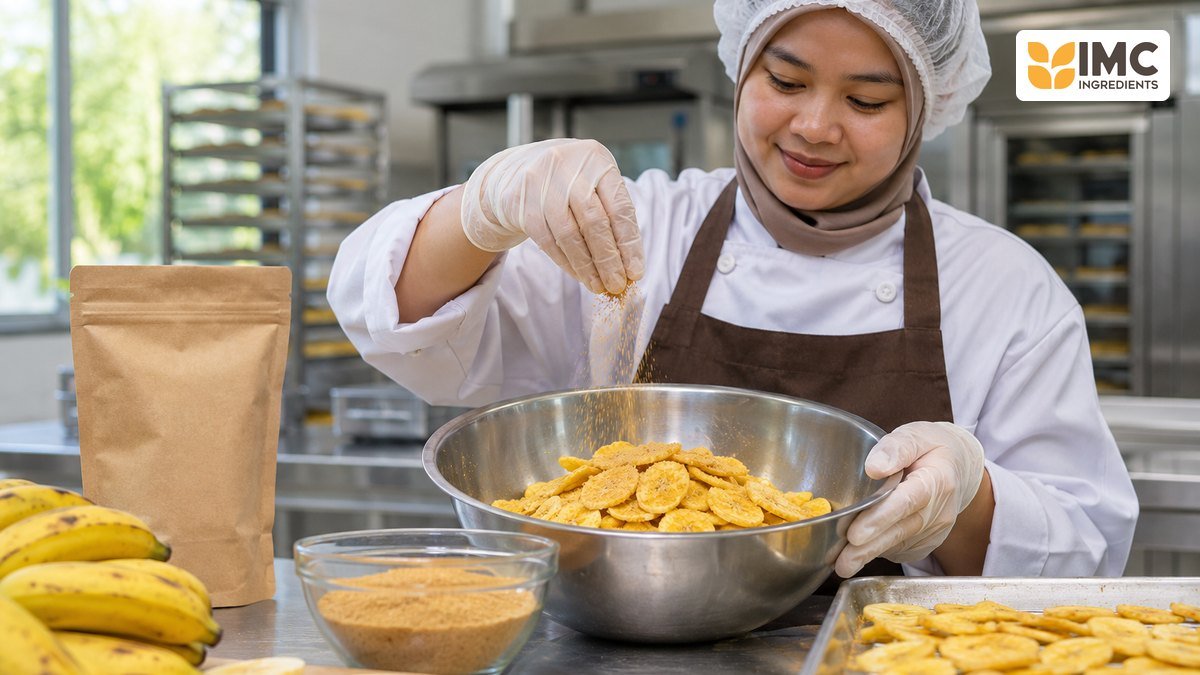
    Quick answer: Coconut sugar can sweeten banana fritters in three places: the batter, a dipping syrup and a dry coating after frying. In the batter, use mesh 50 and a moderate amount, because sugar speeds up browning in hot oil. A coconut sugar syrup or a light dusting after frying adds caramel flavour without burning.

    Key takeaways – Use mesh 50 in batter for smooth mixing. – Keep batter sugar moderate to avoid dark fritters. – Syrups and coatings add flavour after frying. – Control oil temperature carefully.

    Why coconut sugar suits banana fritters

    Banana fritters are popular across Southeast Asia and in many cafés worldwide. Ripe bananas already bring sweetness, so the sugar mainly adds depth. Coconut sugar’s caramel and toffee notes match fried banana well, and it fits the regional character of the dish.

    Where to add the sugar

    Stage How to use coconut sugar Effect
    Batter Mesh 50, mixed into flour Light sweetness, golden colour
    Dipping syrup Dissolved with water and spices Strong caramel flavour
    Dry coating Mesh 50 or mesh 14 after frying Sweet crust, crunch
    Drizzle Thick coconut sugar sauce Rich dessert finish

    Batter tips

    1. Mix coconut sugar with flour, rice flour and a pinch of salt.
    2. Add cold water or milk gradually to a smooth batter.
    3. Rest the batter briefly so the sugar dissolves.
    4. Coat banana slices thinly.
    5. Fry in oil at a steady medium-high heat.

    Too much sugar in the batter makes the outside brown before the banana is hot inside. If fritters darken too fast, lower the oil temperature slightly or reduce batter sugar.

    Simple syrup for dipping

    Dissolve coconut sugar in water at about 1:1 by weight, then simmer gently with a pandan leaf or a cinnamon stick. Remove the spice and cool slightly. Serve the syrup on the side so the fritters stay crisp.

    Coating after frying

    Toss hot fritters in mesh 50 coconut sugar mixed with a little cinnamon for a sweet crust. For more crunch, use mesh 14. Apply the coating just before serving, because steam from fresh fritters can soften the sugar.

    Food service and street food notes

    For busy stalls, prepare dry batter mix in advance and add water when needed. Keep the sugar sealed between shifts, as hot, humid kitchens cause clumping. Strain and change frying oil regularly, since sugar in the batter can darken oil faster.

    Menu and packaging ideas

    Banana fritters with coconut sugar syrup can be sold as a café dessert, a breakfast item with yoghurt or a takeaway snack. For takeaway, pack the syrup in a separate small cup so the fritters stay crisp. Menus can name coconut sugar as an ingredient, using simple factual wording.

    Where does IMC fit?

    PT Integral Mulia Cipta (IMC Group) has produced coconut sugar in Central Java, Indonesia, since 2012. IMC supplies mesh 50 and mesh 14 coconut sugar, including organic, to food service distributors and food producers.

    FAQ

    Can I put coconut sugar in the batter? Yes, but keep the amount moderate to avoid dark fritters.

    What is the best syrup ratio? About 1:1 coconut sugar to water by weight.

    When should I add a sugar coating? Just before serving.

    Which grade gives more crunch? Mesh 14.


    PT Integral Mulia Cipta (IMC Group) has produced organic coconut sugar in Central Java, Indonesia, since 2012. For specifications or samples, email info@organic-coconut-sugar.com or WhatsApp +62 821 1348 5564.

  • Coconut Sugar in Banana Chips

    Coconut Sugar in Banana Chips

    Quick answer: Coconut sugar can coat or glaze banana chips to give a caramel flavour and a golden shine. It is usually applied as a syrup after frying or baking, then dried so the coating sets. Moisture control is essential, because sugary chips quickly turn sticky if they take up humidity.

    Key takeaways – Apply coconut sugar as a syrup or glaze. – Dry the coating fully so chips stay crisp. – Use moisture-barrier packaging. – Test texture over shelf life.

    Why sweetened banana chips

    Banana chips are sold plain, salted or sweetened. Sweet versions are popular as snacks, trail mix ingredients and cereal toppings. Coconut sugar gives a caramel note and a natural-looking golden colour that suits this product well.

    Coating methods

    Method How it works Notes
    Hot syrup glaze Toss fried chips in syrup Even coating
    Pan glazing Cook syrup and chips together Thicker coating
    Spray coating Spray syrup in a drum Industrial scale
    Dry dusting Dust with mesh 50 after syrup Extra sweetness

    Making the glaze

    Dissolve coconut sugar in a little water, then simmer to a thick syrup. A small amount of oil can help the coating spread. Add a pinch of salt or cinnamon if desired. Keep the syrup warm so it flows evenly.

    Process steps

    1. Slice bananas evenly.
    2. Fry or bake until crisp.
    3. Toss warm chips in coconut sugar syrup.
    4. Spread on trays to separate pieces.
    5. Dry in a low oven or dryer until the coating sets.
    6. Cool fully in a dry room.
    7. Pack straight away.

    Moisture and stickiness

    The sugar coating attracts water from the air. If chips are packed while still warm or in a humid room, they can stick together. Pack in low humidity, use barrier film and consider a nitrogen flush for longer shelf life.

    Quality checks

    Check coating weight, colour, crispness and clumping. Sample from each batch and store some at warm conditions to see how they change. Record coconut sugar lot numbers for traceability.

    Labelling and claims

    Name coconut sugar in the ingredient list. Count it as added sugar where rules require. Avoid health or nutrition claims that the product does not support.

    Flavour variations

    Coconut sugar glazes can be flavoured with cinnamon, chilli, sea salt or cocoa. A sweet and salty version is popular in trail mixes. Keep flavourings dry and light so they stick to the glaze without making the chips damp.

    Where does IMC fit?

    PT Integral Mulia Cipta (IMC Group) has produced coconut sugar in Central Java, Indonesia, since 2012. IMC supplies mesh 50 and mesh 14 coconut sugar, including organic, to snack manufacturers.

    FAQ

    How is coconut sugar applied to banana chips? Usually as a syrup glaze after frying or baking.

    Why are my chips sticky? The coating took up moisture; dry and pack in low humidity.

    Can I dust with dry sugar? Yes, after a syrup layer.

    What packaging is best? Moisture-barrier film, with nitrogen flush if needed.


    IMC Group (PT Integral Mulia Cipta) supplies fine-granule organic coconut sugar from Central Java to food companies worldwide. Talk to our team: info@organic-coconut-sugar.com or WhatsApp +62 821 1348 5564.

  • Coconut Sugar Equivalents in Recipes

    Coconut Sugar Equivalents in Recipes

    Quick answer: Coconut sugar replaces white or brown sugar 1:1 by weight. By volume, a cup of coconut sugar can weigh a little less or more than white sugar depending on grade, so weighing is best. When replacing liquid sweeteners such as honey or syrups, you need to add some liquid back to keep the texture right.

    Key takeaways – 1:1 by weight for white and brown sugar. – Weigh rather than measure by cup. – Add liquid when replacing honey or syrups. – Test and adjust sweetness to taste.

    Why weight matters

    Granule size changes how much sugar fits into a cup. Coarse mesh 14 packs differently from fine mesh 50. A recipe written in cups can turn out slightly differently each time if the sugar grade changes. Weighing in grams removes this problem and makes scaling simple.

    Common swaps

    Original sweetener Coconut sugar swap Adjustment
    White sugar 1:1 by weight Expect darker colour
    Light brown sugar 1:1 by weight Slightly drier result
    Dark brown sugar 1:1 by weight Less molasses flavour
    Honey About 1:1 by weight of sweetness Add liquid
    Maple-style syrup About 1:1 by weight of sweetness Add liquid
    Powdered sugar Mill mesh 50 finely Use in glazes with care

    Replacing liquid sweeteners

    Honey and syrups contain water. If you replace them with a dry sugar, the recipe loses moisture. A simple approach is to dissolve the coconut sugar in a small amount of warm water or milk before adding it. Start with a modest amount of extra liquid and adjust after a test batch.

    Replacing brown sugar

    Brown sugar is white sugar with added molasses, which makes it moist and soft. Coconut sugar is drier. In chewy cookies, you may want a little extra liquid fat or a spoonful of liquid to keep the same chew.

    Making a powdered version

    For glazes and frostings, mesh 50 coconut sugar can be milled in a dry blender until fine. Add a small amount of starch if the recipe needs an anti-caking effect. The result will be light brown rather than white.

    Testing steps

    1. Convert the recipe to grams.
    2. Swap 1:1 by weight.
    3. Bake or cook one test batch.
    4. Check sweetness, colour, texture and spread.
    5. Adjust liquid or baking time if needed.
    6. Record the final version.

    Scaling up from kitchen to factory

    Ratios that work in a test kitchen usually transfer to production when everything is weighed. Mixing time, batch size and oven type can still change results, so run a pilot batch before full production. Record the grade used, because switching between mesh 14 and mesh 50 can change texture.

    Quick conversion tips

    Keep a printed swap chart near the scale. Note any recipe where you added liquid or changed baking time. Over time, this record becomes a useful in-house guide for new staff and new products.

    Where does IMC fit?

    PT Integral Mulia Cipta (IMC Group) has produced coconut sugar in Central Java, Indonesia, since 2012. IMC supplies mesh 50 and mesh 14 coconut sugar, including organic, for bakeries, food service and food manufacturers.

    FAQ

    Is coconut sugar 1:1 with white sugar? Yes, by weight in most recipes.

    Can I replace honey with coconut sugar? Yes, but add some liquid back.

    Why weigh instead of using cups? Granule size changes cup weight.

    Can I make powdered coconut sugar? Yes, by milling mesh 50 finely.


    IMC Group (PT Integral Mulia Cipta) supplies fine-granule organic coconut sugar from Central Java to food companies worldwide. Talk to our team: info@organic-coconut-sugar.com or WhatsApp +62 821 1348 5564.
  • Coconut Sugar and Yeast Activity in Doughs

    Coconut Sugar and Yeast Activity in Doughs

    Quick answer: Yeast ferments sugars to produce carbon dioxide that makes dough rise. Small amounts of coconut sugar feed yeast much like sucrose. In rich, sweet doughs, high sugar levels slow yeast through osmotic pressure, as with any sugar. Bakers may need to adjust yeast type, amount or proofing time when switching sugars.

    Key takeaways – Yeast can use the sucrose in coconut sugar. – High sugar levels slow fermentation. – Sweet doughs may need osmotolerant yeast. – Coconut sugar adds colour to crust and crumb.

    How yeast uses sugar

    Yeast produces enzymes that split sucrose into glucose and fructose, then ferments these sugars into carbon dioxide and alcohol. Flour also supplies sugars as its starch is broken down.

    Low-sugar doughs

    In lean breads with little added sugar, a small amount of coconut sugar gives yeast a quick start and adds a little colour and flavour. Fermentation behaviour is similar to using a small amount of white sugar.

    High-sugar doughs

    Sugar level Effect on yeast
    Low (few percent of flour) Supports fermentation
    Medium Slightly slower fermentation
    High (sweet doughs) Noticeably slower; osmotic stress

    High sugar concentrations draw water away from yeast cells, slowing them. This applies to coconut sugar as to other sugars.

    Practical adjustments

    1. Use osmotolerant yeast for very sweet doughs.
    2. Increase yeast slightly if proofing is too slow.
    3. Allow longer proofing time.
    4. Control dough temperature carefully.

    Colour and flavour

    Coconut sugar gives breads a warmer crumb colour and darker crust. Its caramel notes suit cinnamon buns, brioche-style breads, fruit loaves and sweet rolls.

    Natural starters

    In sourdough or natural starter doughs, small amounts of coconut sugar can be used for flavour. Test fermentation times, as starters vary.

    Testing approach

    1. Make a control with your usual sugar.
    2. Make a test with coconut sugar at the same weight.
    3. Record proofing time to the same volume.
    4. Compare crust colour, crumb and taste.

    Using coconut sugar in toppings

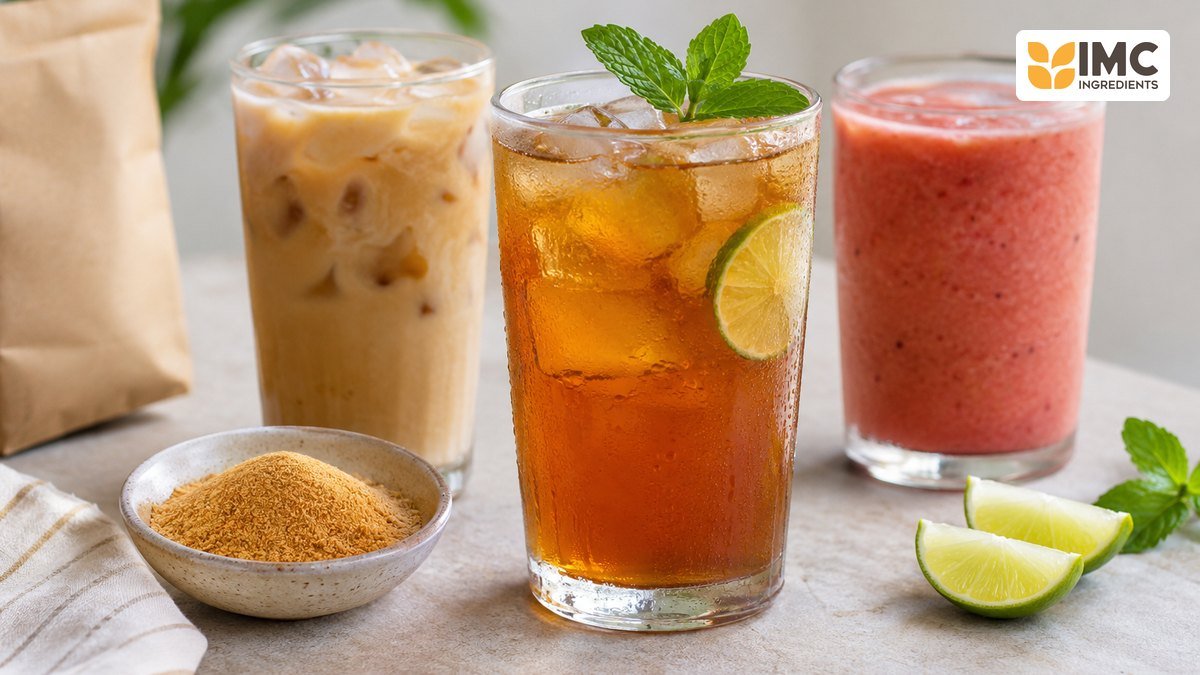
    Sprinkling coarse mesh 14 coconut sugar on sweet breads before baking adds crunch and colour without affecting dough fermentation. This is a simple first step for bakeries testing coconut sugar.

    Enriched doughs with fat and eggs

    Enriched doughs, such as brioche and sweet buns, contain fat and eggs as well as sugar. Fat coats gluten and can slow rise further. When adding coconut sugar to these doughs, give the dough enough time and warmth, and avoid adding extra sugar on top of an already sweet formula.

    Where does IMC fit?

    PT Integral Mulia Cipta (IMC Group) has produced coconut sugar in Central Java since 2012. IMC supplies mesh 50 coconut sugar for doughs and mesh 14 for toppings to bakeries and bread producers.

    FAQ

    Can yeast use coconut sugar? Yes. It contains mostly sucrose.

    Why is my sweet dough rising slowly? High sugar slows yeast; consider osmotolerant yeast.

    Does coconut sugar change bread colour? Yes. Crust and crumb become darker.

    Can I use it in sourdough? Yes, in small amounts; test fermentation.


    IMC Group (PT Integral Mulia Cipta) supplies fine-granule organic coconut sugar from Central Java to food companies worldwide. Talk to our team: info@organic-coconut-sugar.com or WhatsApp +62 821 1348 5564.
  • Coconut Sugar and pH in Beverages

    Coconut Sugar and pH in Beverages

    Quick answer: Coconut sugar dissolved in water is usually mildly acidic to near neutral, depending on the lot. Its small amounts of natural minerals and organic acids may slightly affect a drink’s pH and buffering compared with refined sugar. Developers should measure pH in the final formula and adjust acids to reach the target for taste and safety.

    Key takeaways – Coconut sugar has a mildly acidic to near-neutral pH in solution. – It may slightly change buffering in drinks. – Always measure pH in the finished formula. – Acid levels affect taste and safety.

    Why pH matters in beverages

    pH affects taste, colour stability, preservative effectiveness and microbial safety. Many beverages rely on acidity as part of their safety design. Small shifts in pH can change sourness and shelf life.

    Coconut sugar in solution

    Refined white sugar contains almost only sucrose and has little effect on pH. Coconut sugar contains natural minerals, such as potassium, and small amounts of organic acids from the sap. These can give a slight buffering effect, meaning the drink resists pH change a little more.

    Practical effects

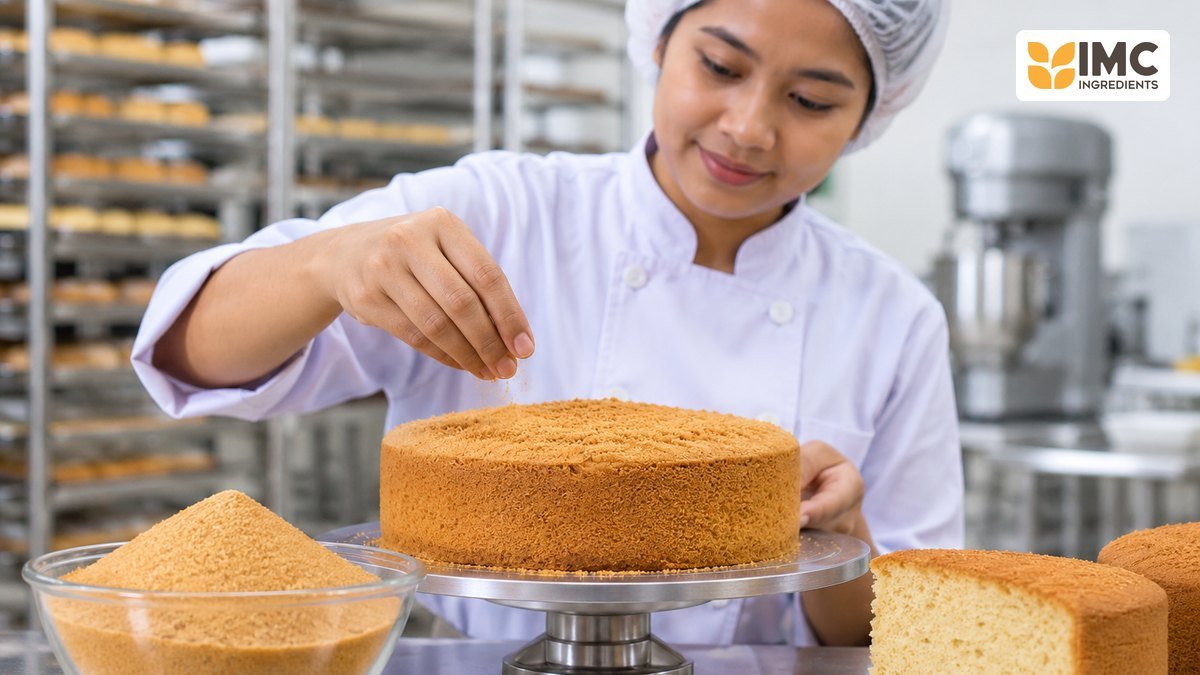
    Drink type What to watch
    Acidic soft drinks May need slightly more acid to reach target pH
    Iced tea Colour and pH interaction
    Coffee drinks Taste balance; pH less critical in some formats
    Plant milks Protein stability near neutral pH
    Kombucha-style drinks Fermentation affects pH over time

    Steps for developers

    1. Measure pH of a coconut sugar solution at your target concentration.
    2. Make the full formula and measure pH again.
    3. Adjust acid level in small steps.
    4. Check taste after each adjustment.
    5. Confirm pH stays stable during shelf life.

    Acid choice

    Citric, malic and phosphoric acids are common in drinks. Each gives a different sour profile. Coconut sugar’s caramel notes pair well with citric and malic acids in fruit and tea drinks.

    Food safety

    If your drink relies on low pH for safety, follow regulatory guidance and work with a process authority or food safety expert. Do not assume a formula is safe based on taste.

    Lot-to-lot variation

    As a natural product, coconut sugar can vary slightly in mineral content. Check pH on new lots during early production runs.

    Colour interactions

    pH can also influence the colour of drinks containing coconut sugar, tea or fruit extracts. Monitor colour along with pH during development and storage, so the drink looks consistent on the shelf.

    Where does IMC fit?

    PT Integral Mulia Cipta (IMC Group) has produced coconut sugar in Central Java since 2012. IMC supplies mesh 50 coconut sugar, which dissolves quickly, to beverage developers, with specifications and lot documents.

    FAQ

    Does coconut sugar change a drink’s pH? Slightly, due to natural minerals and acids.

    Do I need more acid? Possibly; measure and adjust.

    Is pH important for safety? Yes, in many drinks.

    Does pH vary between lots? Slightly; check new lots.


    Looking for a reliable coconut sugar partner? Contact PT Integral Mulia Cipta (IMC Group) in Central Java, Indonesia: info@organic-coconut-sugar.com or WhatsApp +62 821 1348 5564.
  • Coconut Sugar and Crumb Structure in Cakes

    Coconut Sugar and Crumb Structure in Cakes

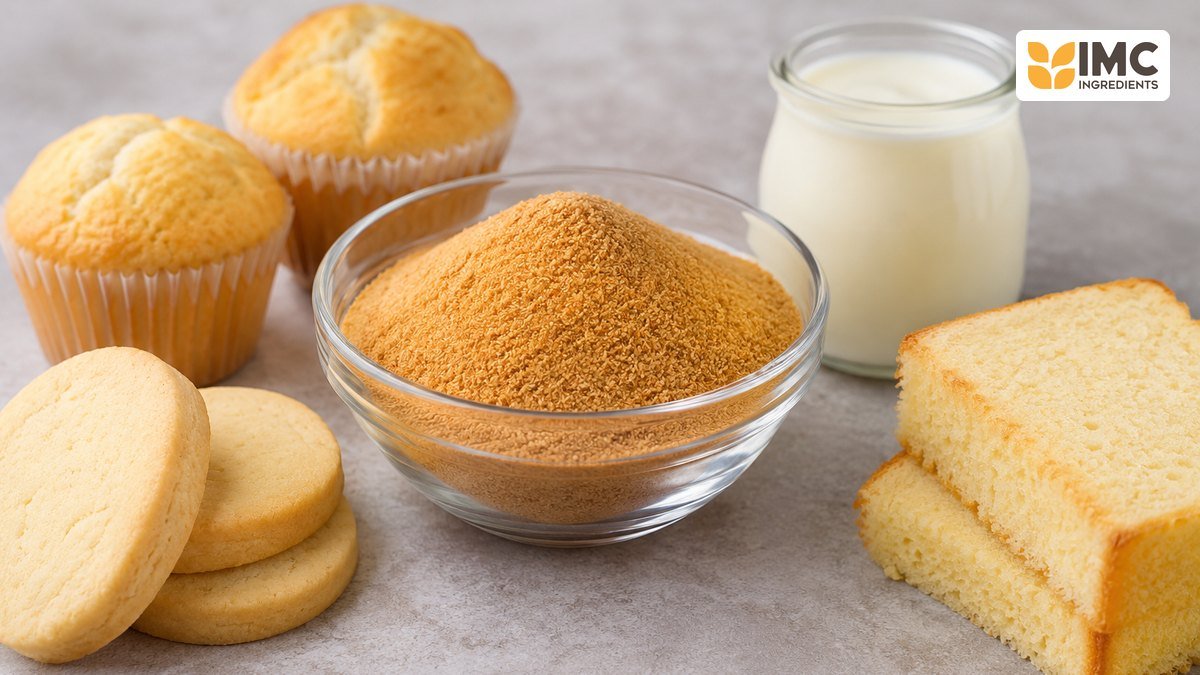
    Quick answer: Sugar shapes cake crumb by helping aerate fat during creaming, delaying starch gelatinisation and protein setting, and holding moisture. Coconut sugar does these jobs much like sucrose. Differences in granule size and composition can slightly change aeration, tenderness and moisture, so formulators should compare crumb in side-by-side tests.

    Key takeaways – Sugar affects aeration, setting and moisture. – Coconut sugar behaves much like sucrose. – Granule size influences creaming. – Compare crumb structure in controlled tests.

    How sugar builds crumb

    1. During creaming, sugar crystals cut air pockets into fat.
    2. In the oven, sugar delays starch gelatinisation and egg protein setting, allowing the cake to rise longer.
    3. Sugar holds water, keeping the crumb tender and moist.

    How coconut sugar compares

    Function Coconut sugar vs white sugar
    Aeration in creaming Similar with mesh 50; coarser grades differ
    Setting temperature Similar effect as mostly sucrose
    Moisture retention Often slightly more moist
    Colour Golden to brown crumb

    Creaming tips

    Fine mesh 50 coconut sugar creams well with butter or shortening. Coarse mesh 14 creates fewer, larger air cells and is not ideal for creamed cakes. Cream until light and fluffy, checking volume.

    Batter and all-in-one methods

    In all-in-one or high-ratio cake methods, sugar dissolves into the liquid phase. Mesh 50 dissolves well. Check batter density as a quick measure of aeration.

    Measuring crumb structure

    1. Cut cakes in half and photograph the crumb.
    2. Compare cell size, uniformity and tunnels.
    3. Measure height and volume.
    4. Use texture analysis for firmness if available.

    Troubleshooting

    Problem Possible fix
    Dense crumb Cream longer, check leavening
    Large holes or tunnels Reduce mixing after flour addition
    Dark crumb Partial swap or lower temperature
    Dry crumb Check baking time and moisture

    Shelf life

    Coconut sugar cakes are often moist, but staling still occurs. Test softness over several days in final packaging.

    Flavour pairing

    Coconut sugar’s caramel notes suit chocolate, coffee, banana, spice and nut cakes. In these flavours, the darker crumb looks natural and appealing.

    Industrial production notes

    In continuous mixing systems, check aeration and batter density with coconut sugar, as small changes in particle size can alter how air is held. Adjust mixer speed or pressure if needed.

    Recording results

    Keep a simple record for each trial: sugar type and grade, creaming time, batter density, baking time, height and crumb photos. Over several trials this record shows clearly which settings give the best crumb with coconut sugar.

    Where does IMC fit?

    PT Integral Mulia Cipta (IMC Group) has produced coconut sugar in Central Java since 2012. IMC supplies mesh 50 coconut sugar, well suited to creamed and batter cakes, plus mesh 14 for toppings.

    FAQ

    Does coconut sugar change cake crumb? Only slightly; it behaves much like sucrose.

    Which grade creams best? Mesh 50.

    Why is my crumb denser? Check creaming time and grade.

    Are coconut sugar cakes moist? Usually yes; test over shelf life.


    PT Integral Mulia Cipta (IMC Group) has produced organic coconut sugar in Central Java, Indonesia, since 2012. For specifications or samples, email info@organic-coconut-sugar.com or WhatsApp +62 821 1348 5564.

  • Coconut Sugar and Colour in Light-Coloured Products

    Coconut Sugar and Colour in Light-Coloured Products

    Quick answer: Coconut sugar adds a light to medium brown colour, which is visible in pale products such as vanilla desserts, white cakes, light drinks and some confectionery. Formulators can use partial replacement, adjust other ingredients or reposition the product as a caramel-style item. Measure colour at different usage levels before deciding.

    Key takeaways – Coconut sugar colours pale products. – Partial swaps limit colour change. – Repositioning can turn colour into a benefit. – Measure colour objectively.

    Why colour matters

    Shoppers expect certain products to look a certain way. A vanilla pudding that looks beige may be judged differently from a bright white one. Colour changes can affect acceptance, even if taste is good.

    How much colour does coconut sugar add?

    The effect depends on the amount used, the product base and processing. Heating increases colour through browning reactions. Lot-to-lot variation in coconut sugar colour can also affect results.

    Options for light products

    Option Result
    Partial replacement (10 to 30 percent) Slight colour change, mild caramel note
    Higher replacement Clear beige to brown colour
    Reposition as caramel or brown sugar flavour Colour becomes expected
    Combine with light-coloured sugars Lighter overall

    Product examples

    1. Vanilla ice cream: partial swap or reposition as “caramel vanilla”.
    2. White cakes: partial swap, or switch to a golden cake style.
    3. Light lemonade: colour visible; consider amber-style positioning.
    4. White chocolate-style products: colour very visible; test carefully.

    Controlling browning during processing

    Lower heat and shorter cooking times limit additional browning. Acidic conditions slow Maillard reactions in some products.

    Measuring colour

    Use a colorimeter or standardised photos under consistent lighting. Record colour at different coconut sugar levels and after storage. Set colour targets for production.

    Consumer testing

    Before launch, show samples to a small group of target consumers. Their reaction to colour helps decide between partial replacement and repositioning.

    Packaging and lighting

    Transparent packaging and bright shop lighting make colour differences more obvious. If colour is a concern, consider packaging that shows less of the product or uses tinted windows.

    Communicating colour to customers

    If a product looks different from what customers expect, a short line on the pack, such as “made with coconut sugar for a natural caramel colour”, explains the change. This helps avoid complaints and turns the colour into part of the product story.

    Where does IMC fit?

    PT Integral Mulia Cipta (IMC Group) has produced coconut sugar in Central Java since 2012. IMC supplies mesh 50 and mesh 14 coconut sugar and can share colour information from its specifications to help formulators plan.

    FAQ

    Will coconut sugar change the colour of white products? Yes, it adds a beige to brown tone.

    How can I limit colour change? Use partial replacement and gentle processing.

    Can colour be a selling point? Yes, if the product is positioned as caramel-style.

    Should I measure colour? Yes, objectively and over shelf life.


    IMC Group (PT Integral Mulia Cipta) supplies fine-granule organic coconut sugar from Central Java to food companies worldwide. Talk to our team: info@organic-coconut-sugar.com or WhatsApp +62 821 1348 5564.

  • Coconut Sugar and Coconut Oil: Two Different Products

    Coconut Sugar and Coconut Oil: Two Different Products

    Quick answer: Coconut sugar and coconut oil both come from the coconut tree, but they are completely different products. Coconut sugar is a granulated sweetener made from cooked blossom sap. Coconut oil is a fat pressed or extracted from the coconut kernel. They have different uses, different processes and different labelling rules.

    Key takeaways – Coconut sugar comes from blossom sap; coconut oil from the kernel. – Sugar is a sweetener; oil is a fat. – They are made in different ways. – Labels and specifications differ.

    Why people mix them up

    The word “coconut” appears in both names, and both are popular in plant-based and natural food ranges. New buyers, retail staff and consumers sometimes assume coconut sugar tastes of coconut or contains coconut fat. It does neither. Coconut sugar tastes of caramel, and it contains no fat in meaningful amounts.

    Side-by-side comparison

    Point Coconut sugar Coconut oil
    Raw material Blossom sap Kernel (meat)
    Main component Sugars, mostly sucrose Fat
    Form Brown granules Liquid or solid fat
    Flavour Caramel, toffee Neutral or coconut
    Main use Sweetening Frying, baking fat
    Label category Sugar Fat or oil

    How coconut sugar is made

    Farmers collect sap from the cut flower stalk of the coconut tree. The sap is cooked in open pans until it becomes thick, then stirred as it cools so it crystallises. The product is dried, sieved to the right mesh size and packed. Published analyses report sucrose at roughly 70 to 79 percent.

    How coconut oil is made

    Coconut oil is pressed or extracted from the dried or fresh kernel of the coconut. Refined oil is neutral in flavour, while virgin oil keeps a coconut taste. It is a completely separate supply chain from sugar.

    Using both in one product

    Many recipes use both. A vegan cookie may use coconut oil as the fat and coconut sugar as the sweetener. Granola, energy bars and chocolate spreads often combine them. Formulators should treat each as a separate ingredient with its own specification, supplier approval and storage needs.

    Labelling notes

    1. List each ingredient separately by its proper name.
    2. Count coconut sugar as added sugar where rules require it.
    3. Check allergen rules in your market, as some list coconut.
    4. Avoid wording that suggests one product contains the other.

    Storage differences

    Coconut sugar must be kept dry, because it takes up moisture from the air and can clump. Coconut oil must be protected from heat and light, which can affect its quality, and it melts at warm room temperatures. Keep them in separate storage areas with their own labels and lot records.

    Communicating clearly with customers

    Product descriptions and packs should name each ingredient clearly. If a product uses coconut sugar but no coconut oil, avoid wording that suggests a coconut-fat taste or texture. Clear, simple wording prevents confusion and builds trust with shoppers.

    Where does IMC fit?

    PT Integral Mulia Cipta (IMC Group) has produced coconut sugar in Central Java, Indonesia, since 2012. IMC supplies mesh 14 and mesh 50 coconut sugar, including organic, to food manufacturers worldwide.

    FAQ

    Does coconut sugar taste like coconut? No, it tastes of caramel and toffee.

    Does coconut sugar contain fat? Not in meaningful amounts; it is mostly sugars.

    Are they made from the same part of the tree? No, sugar comes from blossom sap and oil from the kernel.

    Can I use both in one recipe? Yes, as separate ingredients.


    Questions about coconut sugar for your products? PT Integral Mulia Cipta (IMC Group), a Central Java producer since 2012, is happy to help. Email info@organic-coconut-sugar.com or WhatsApp +62 821 1348 5564.