Author: IMC Group

  • Coconut Sugar in Tofu and Tempeh Marinades

    Coconut Sugar in Tofu and Tempeh Marinades

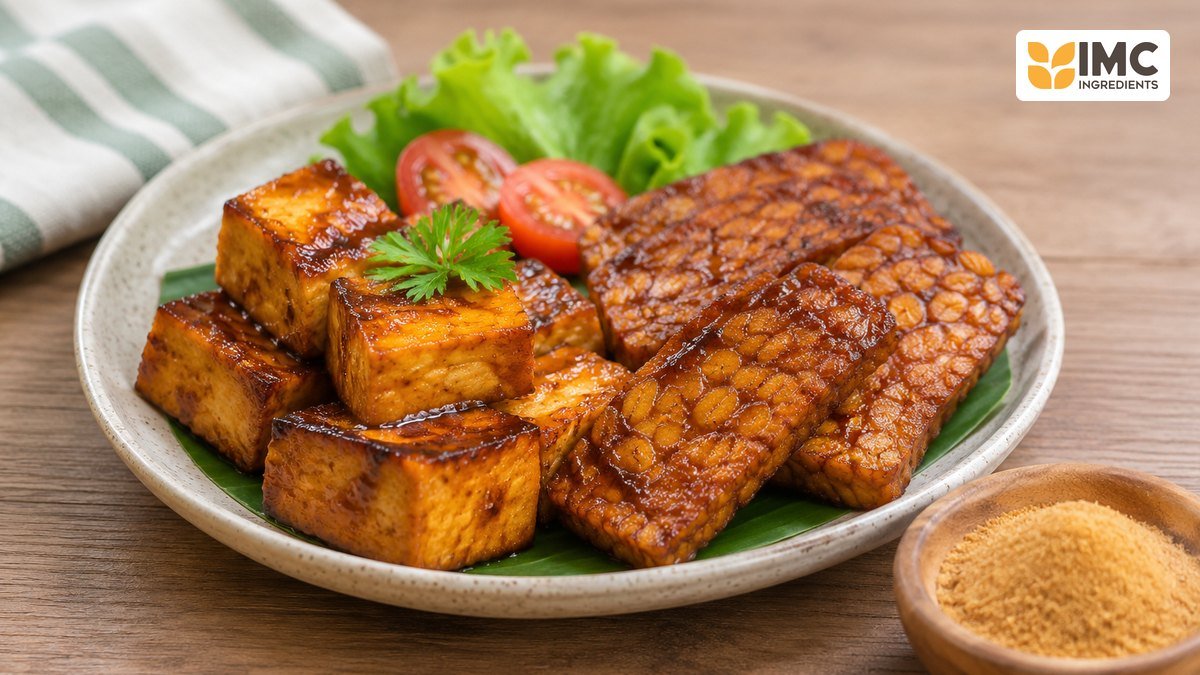
    Quick answer: Coconut sugar is a natural fit for tofu and tempeh marinades. It balances soy sauce, chilli, garlic and lime, and helps the surface caramelise when pan-fried or baked. Use mesh 50 so it dissolves fully, and cook at moderate heat, because sugary marinades on dense tempeh can darken quickly.

    Key takeaways – Coconut sugar balances salty and spicy flavours. – Mesh 50 dissolves quickly in marinades. – Tempeh and tofu absorb flavour differently. – Moderate heat avoids dark, bitter edges.

    Why coconut sugar suits plant proteins

    Tofu and tempeh have mild flavours, so marinades do most of the work. Coconut sugar adds caramel depth and helps glazes cling. In Indonesia, tempeh is often cooked with a sweet and savoury sauce, so coconut sugar has a long culinary link with this ingredient.

    Marinade building blocks

    Ingredient Role
    Soy sauce Salt and umami
    Coconut sugar Sweetness, gloss, colour
    Garlic, shallot, ginger Aroma
    Chilli Heat
    Lime or tamarind Acidity
    Oil Carries flavour, helps browning

    Tofu versus tempeh

    Firm tofu is moist and soaks up liquid slowly. Pressing it first helps. Tempeh is firmer and denser; steaming it briefly before marinating helps it absorb flavour and removes any bitterness. Both benefit from several hours of marinating in the refrigerator.

    Method

    1. Dissolve mesh 50 coconut sugar in soy sauce and lime juice.
    2. Add aromatics, chilli and oil.
    3. Coat pressed tofu or steamed tempeh.
    4. Marinate chilled for the planned time.
    5. Pan-fry, bake or grill at moderate heat.
    6. Reduce leftover marinade into a glaze.

    For plant-based food producers

    Producers of ready-to-cook tofu and tempeh products need consistent flavour and colour. Fix the sugar dose by weight, record lots, and check colour after cooking. If the product is pasteurised or retorted, test how heat treatment changes colour and taste.

    Glaze and sauce ideas

    A reduced coconut sugar and soy glaze makes a glossy finish. Add sesame seeds or spring onions for garnish. For a sweet-spicy flavour, add chilli paste. For a lighter version, use less sugar and more lime.

    Labelling

    Declare soy and any other allergens correctly. Name coconut sugar in the ingredient list and count it as added sugar where required.

    Storage of marinated products

    Marinated tofu and tempeh are perishable and must be kept chilled. Validate shelf life with real storage tests, including taste and colour checks. Vacuum packs help the marinade stay in contact with the protein and reduce air exposure.

    Where does IMC fit?

    PT Integral Mulia Cipta (IMC Group) has produced coconut sugar in Central Java, Indonesia, since 2012. IMC supplies mesh 50 and mesh 14 coconut sugar, including organic, to plant-based food producers and food service businesses.

    FAQ

    Why steam tempeh before marinating? It helps absorb flavour and reduces bitterness.

    Which grade suits marinades? Mesh 50, because it dissolves fast.

    Why are my edges too dark? Heat is too high for a sugary marinade.

    Can the marinade become a glaze? Yes, reduce it gently in a pan.


    Looking for a reliable coconut sugar partner? Contact PT Integral Mulia Cipta (IMC Group) in Central Java, Indonesia: info@organic-coconut-sugar.com or WhatsApp +62 821 1348 5564.
  • Coconut Sugar in Taro Drinks

    Coconut Sugar in Taro Drinks

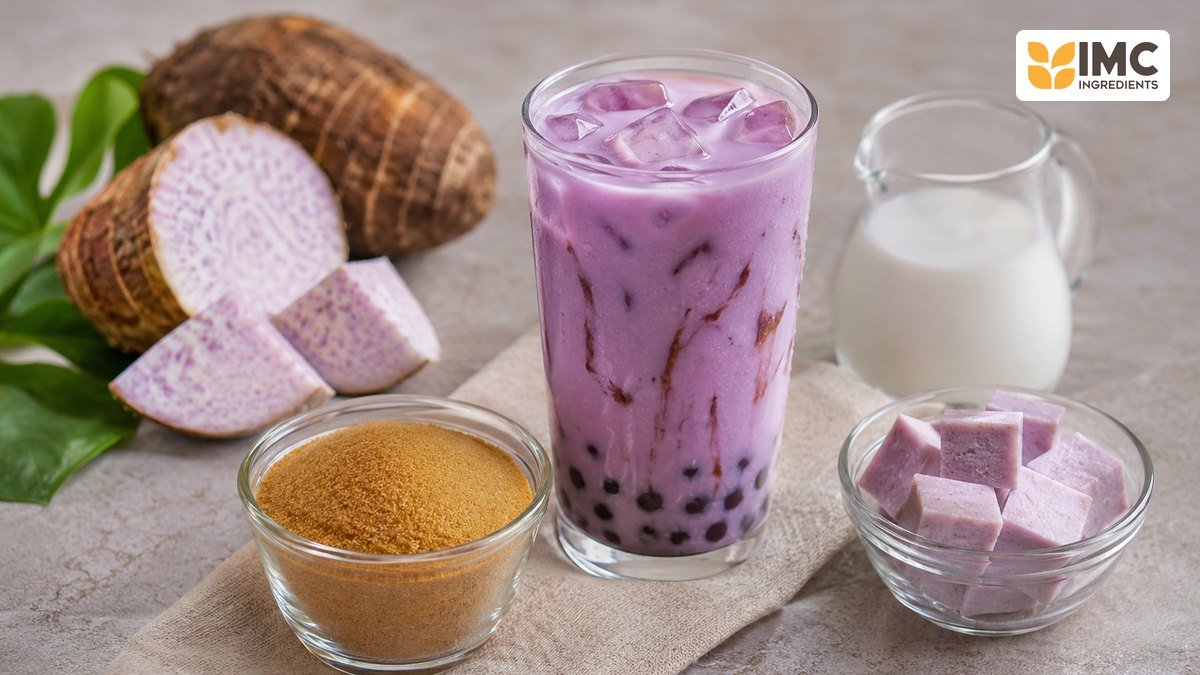
    Quick answer: Coconut sugar sweetens taro drinks well when used as a syrup. Its caramel notes pair with the nutty, vanilla-like flavour of taro. Because coconut sugar is brown, it can shift the lilac colour of a taro drink towards beige, so many cafés use a partial swap or add the syrup as a visible layer.

    Key takeaways – Use coconut sugar as a syrup for cold drinks. – It pairs well with taro’s nutty flavour. – It may change the drink’s lilac colour. – Layering can turn colour into a feature.

    Why taro drinks are popular

    Taro drinks are a favourite in bubble tea shops and cafés. They are made with taro paste, taro powder or cooked taro, blended with milk or plant milk and ice. The drinks are creamy, mildly sweet and often lilac in colour.

    Ways to use coconut sugar

    Method Effect
    Coconut sugar syrup mixed in Caramel sweetness, beige tint
    Partial swap with white syrup Keeps more lilac colour
    Syrup layer on glass wall Visual stripes, flavour contrast
    Sweetened taro paste Sweetness built into the base
    Sugar rim with mesh 14 Crunch and decoration

    Making the syrup

    Dissolve mesh 50 coconut sugar in hot water at 1:1 or 2:1 by weight. Stir without boiling hard, cool and store in a clean bottle in the refrigerator. A rich 2:1 syrup is easier to dose in small amounts.

    Building the drink

    1. Add taro paste or powder to the cup or shaker.
    2. Add the coconut sugar syrup dose.
    3. Add milk or plant milk and ice.
    4. Shake or blend until smooth.
    5. Add toppings such as tapioca pearls.

    Colour considerations

    If the lilac colour is part of the brand, start with a partial swap, such as half coconut sugar syrup and half white syrup. Another option is to swirl coconut sugar syrup on the inside of the cup before adding the drink. The brown stripes look attractive and keep the taro colour visible.

    Sweetening taro paste

    Some shops make their own taro paste by mashing cooked taro with sugar and milk. Coconut sugar can sweeten the paste directly. Cook gently, as sugar can scorch at the bottom of the pan.

    Consistency for chains

    Write the syrup ratio and dose on every recipe card. Use pumps for exact dosing. Check sweetness with a refractometer if you produce syrup centrally for several outlets.

    Hot taro drinks

    Coconut sugar also suits hot taro lattes. Add the syrup to the hot milk and stir well before pouring. In hot drinks, granulated mesh 50 coconut sugar can be used directly, as it dissolves quickly in warm liquid.

    Where does IMC fit?

    PT Integral Mulia Cipta (IMC Group) has produced coconut sugar in Central Java, Indonesia, since 2012. IMC supplies fine mesh 50 coconut sugar for syrups, as well as mesh 14 and organic options, to beverage and café businesses.

    FAQ

    Does coconut sugar suit taro? Yes, its caramel notes pair with taro’s nutty flavour.

    Will the drink lose its lilac colour? It can; use a partial swap or a syrup layer.

    What syrup ratio is best? 1:1 or 2:1 by weight.

    Can I sweeten taro paste with it? Yes, cook gently to avoid scorching.


    Questions about coconut sugar for your products? PT Integral Mulia Cipta (IMC Group), a Central Java producer since 2012, is happy to help. Email info@organic-coconut-sugar.com or WhatsApp +62 821 1348 5564.

  • Coconut Sugar in Sweet Corn Desserts

    Coconut Sugar in Sweet Corn Desserts

    Quick answer: Coconut sugar pairs well with sweet corn in puddings, porridges, ice cream and drinks. Its caramel notes complement the natural sweetness and creamy texture of corn. Use mesh 50 for fast dissolving and add it towards the end of cooking in light desserts to keep the colour appealing.

    Key takeaways – Coconut sugar complements sweet corn flavour. – Works in puddings, porridges, ice cream and drinks. – Adds colour, so add late in pale desserts. – Mesh 50 dissolves quickly.

    Sweet corn in desserts

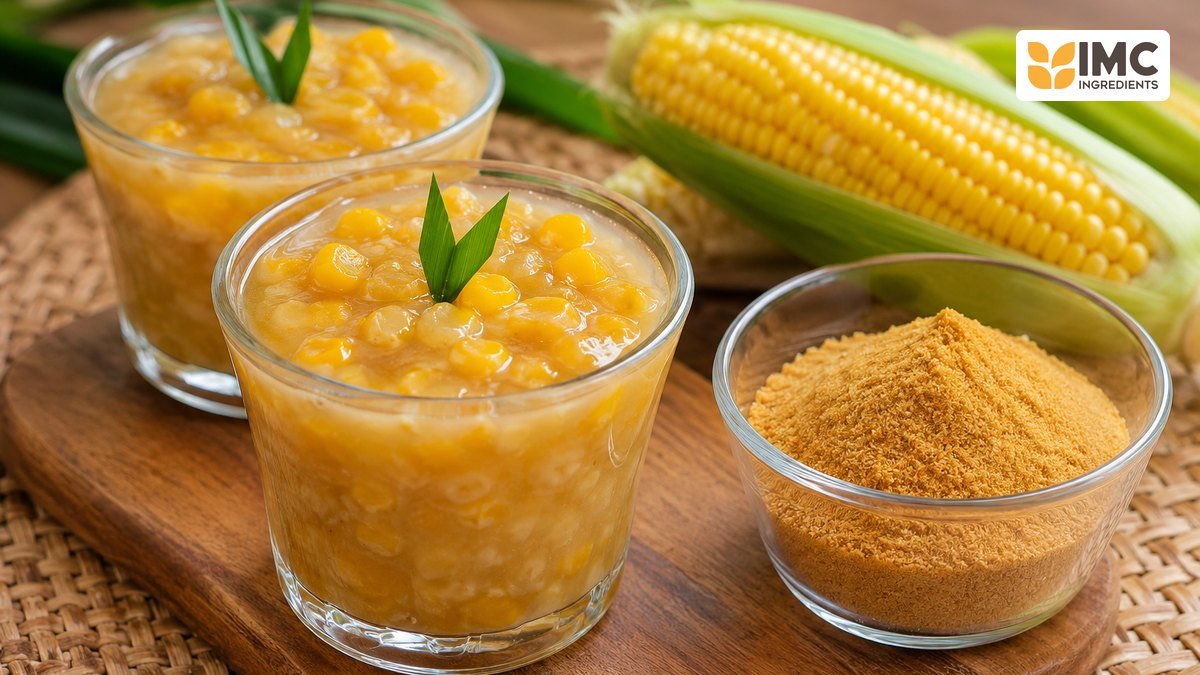
    Sweet corn is used in desserts across Southeast and East Asia. Common examples are corn puddings set with starch, corn porridges with coconut milk, corn ice cream and blended corn drinks. These desserts are creamy, mildly sweet and comforting.

    Uses of coconut sugar

    Dessert How to use Tip
    Corn pudding Dissolve in cooking liquid Add late for lighter colour
    Corn porridge Stir in during simmering Pair with coconut milk
    Corn ice cream Dissolve in base Check freezing point effects
    Corn drink Use as syrup Blend and strain
    Topping Drizzle syrup Adds contrast

    Cooking tips

    1. Cook corn kernels until soft.
    2. Blend part of the corn for a creamy texture.
    3. Add coconut milk and a pinch of salt.
    4. Add mesh 50 coconut sugar near the end.
    5. Thicken with starch if making a pudding.
    6. Cool and set as needed.

    Colour balance

    Sweet corn desserts are often pale yellow. Coconut sugar shifts the colour towards golden or beige. If a bright yellow colour is important, use a partial swap or serve coconut sugar syrup as a drizzle instead of mixing it in.

    Ice cream notes

    Sugar affects how hard ice cream freezes. Coconut sugar behaves much like sucrose in this role. Keep total sugar similar to your current recipe and test scoopability after hardening.

    Food service ideas

    Corn and coconut sugar desserts suit cafés and Asian restaurants. Serve warm porridge in winter and corn ice cream in summer. A coconut sugar drizzle adds visual appeal and lets guests adjust sweetness.

    Shelf life for packaged desserts

    Packaged puddings and drinks need validated heat treatment and cold storage. Test colour, taste and texture over the planned shelf life.

    Flavour pairing ideas

    Pandan, vanilla, salt and toasted sesame all work with corn and coconut sugar. A pinch of salt sharpens the sweetness and makes the corn taste fuller. Crunchy toppings such as toasted rice or nuts add contrast to soft puddings.

    Where does IMC fit?

    PT Integral Mulia Cipta (IMC Group) has produced coconut sugar in Central Java, Indonesia, since 2012. IMC supplies mesh 50 and mesh 14 coconut sugar, including organic, to dessert makers and food service businesses.

    FAQ

    Does coconut sugar suit sweet corn? Yes, its caramel notes complement corn.

    Will it change the colour? It makes desserts golden; add late or use a drizzle.

    Can I use it in corn ice cream? Yes, keep total sugar similar to your recipe.

    Which grade is best? Mesh 50.


    Questions about coconut sugar for your products? PT Integral Mulia Cipta (IMC Group), a Central Java producer since 2012, is happy to help. Email info@organic-coconut-sugar.com or WhatsApp +62 821 1348 5564.

  • Coconut Sugar in Simple Syrup: Ratios and Tips

    Coconut Sugar in Simple Syrup: Ratios and Tips

    Quick answer: A coconut sugar simple syrup is made by dissolving coconut sugar in hot water, usually at a 1:1 or 2:1 ratio by weight. Use fine mesh 50 for fast dissolving, heat gently without boiling hard, strain if needed and store the cooled syrup in a clean, closed bottle in the fridge.

    Key takeaways – 1:1 by weight gives a pourable syrup for drinks. – 2:1 gives a richer syrup that keeps longer. – Mesh 50 dissolves fastest. – Clean bottles and cold storage extend use time.

    Why make coconut sugar syrup

    Granulated sugar does not dissolve well in cold drinks. A syrup solves this and gives baristas and bartenders a fast, consistent way to sweeten iced coffee, tea, lemonade and cocktails. Coconut sugar syrup adds a caramel flavour and an amber colour, which suits many coffee and spiced drinks.

    Basic ratios

    Syrup type Sugar : water by weight Typical use
    Light syrup 1:2 Lightly sweet iced tea
    Standard syrup 1:1 Coffee, tea, lemonade
    Rich syrup 2:1 Cocktails, small dose sweetening

    Weighing is more accurate than measuring by volume, because sugar granules settle differently in cups and scoops.

    Step-by-step method

    1. Weigh the water and heat it until hot but not boiling.
    2. Add weighed mesh 50 coconut sugar while stirring.
    3. Stir until fully dissolved, usually a few minutes.
    4. Remove from heat; do not boil hard, as this darkens the syrup.
    5. Strain through a fine sieve or cloth if you see any particles.
    6. Cool, then bottle in a clean, dry, closed container.
    7. Label with the date and ratio.

    Storage and use time

    Keep the syrup in the refrigerator. A rich 2:1 syrup generally keeps longer than a 1:1 syrup because it has less free water. Each kitchen should set its own use-by time based on its hygiene rules and checks. Throw the syrup away if it turns cloudy, smells sour or shows any growth.

    Flavour variations

    Coconut sugar syrup pairs well with cinnamon, ginger, pandan leaf, vanilla, cardamom and citrus peel. Add spices while the syrup is warm, then strain them out. Keep flavoured syrups clearly labelled so staff do not mix them up.

    Common problems and fixes

    • Syrup too dark: heat more gently and for a shorter time.
    • Crystals forming: the ratio may be too high, or the bottle was not clean.
    • Cloudy look: strain through a finer cloth and use clean water.
    • Too sweet in drinks: reduce the dose rather than diluting the batch.

    Using syrup consistently

    Use a measured pump or jigger so every drink gets the same dose. Write the dose on the drink recipe card. This keeps taste consistent and makes costing simple.

    Batch size and timing

    Make only as much syrup as the bar uses within the set use time. Many cafés prepare a fresh batch at opening and keep a small backup bottle in the fridge. Smaller, frequent batches reduce waste and keep the flavour bright, because the caramel notes can soften as the syrup ages.

    Where does IMC fit?

    PT Integral Mulia Cipta (IMC Group) has produced coconut sugar in Central Java, Indonesia, since 2012. IMC supplies fine mesh 50 coconut sugar, which dissolves quickly for syrups, as well as mesh 14 and organic options for food and beverage businesses.

    FAQ

    What ratio should I start with? 1:1 by weight for most coffee and tea drinks.

    Can I boil the syrup? Gentle heat is better; hard boiling darkens it.

    Which grade dissolves fastest? Mesh 50.

    Should the syrup be refrigerated? Yes, in a clean, closed bottle.


    Questions about coconut sugar for your products? PT Integral Mulia Cipta (IMC Group), a Central Java producer since 2012, is happy to help. Email info@organic-coconut-sugar.com or WhatsApp +62 821 1348 5564.

  • Coconut Sugar in Serabi Pancakes and Kinca Syrup

    Coconut Sugar in Serabi Pancakes and Kinca Syrup

    Quick answer: Serabi are small Indonesian pancakes made from rice flour and coconut milk. They are often served with kinca, a sweet syrup made from coconut sugar, coconut milk and pandan. Coconut sugar sweetens both the batter and the syrup, giving the dish its classic caramel taste and amber colour.

    Key takeaways – Serabi and kinca are classic coconut sugar dishes. – Use mesh 50 for quick dissolving. – Cook kinca gently to avoid splitting coconut milk. – Serve syrup separately to keep pancakes soft.

    About serabi

    Serabi are cooked in small clay or metal pans over heat. The batter is made with rice flour, coconut milk, a little leavening and sugar or salt. They have a soft, spongy centre and a crisp edge. Some versions are plain and some are sweet.

    About kinca

    Kinca is a sauce made by simmering coconut sugar with water or coconut milk and a pandan leaf. It can be thin or thick, depending on the cooking time. It is poured over serabi just before eating.

    Basic roles of coconut sugar

    Component Use Result
    Batter Mesh 50 dissolved in coconut milk Light sweetness, brown tint
    Kinca syrup Simmered with pandan Caramel flavour, amber colour
    Topping Mesh 14 sprinkled on Crunch, sweetness

    Making kinca

    1. Dissolve coconut sugar in a little water over low heat.
    2. Add a knotted pandan leaf.
    3. Add coconut milk and a pinch of salt.
    4. Simmer gently, stirring, until slightly thick.
    5. Strain and serve warm.

    Do not boil hard after adding coconut milk, as it can split. If a thicker sauce is needed, a little rice flour or starch slurry helps.

    Batter tips

    Dissolve coconut sugar in warm coconut milk before adding it to the flour. Rest the batter so the rice flour hydrates. Cook on moderate heat; sugar in the batter can make the bottom brown quickly.

    Food service and packaged products

    Cafés outside Indonesia sell serabi as a specialty dessert. Pre-made kinca can be prepared daily and kept chilled. For packaged products, kinca needs a validated process and shelf life testing. Pack pancakes and syrup separately so the pancakes stay soft.

    Menu ideas

    Serabi with kinca can be served with banana slices, jackfruit pieces or toasted coconut flakes. A mini serabi set makes a good sharing dessert in cafés. Menus can describe the syrup simply as coconut sugar syrup with pandan.

    Consistency tips for kitchens

    Write the kinca recipe with weights, cooking time and final thickness. Use the same pan size and heat level each time. Taste a spoonful before service and adjust with a little water if the syrup has become too thick on standing.

    Where does IMC fit?

    PT Integral Mulia Cipta (IMC Group) has produced coconut sugar in Central Java, Indonesia, since 2012. IMC supplies mesh 50 and mesh 14 coconut sugar, including organic, to food service and Indonesian food producers worldwide.

    FAQ

    What is kinca? A sweet syrup made with coconut sugar, coconut milk and pandan.

    Why did my kinca split? The coconut milk was boiled too hard.

    Which grade suits the batter? Mesh 50.

    Can serabi and kinca be packed? Yes, pack them separately.


    Questions about coconut sugar for your products? PT Integral Mulia Cipta (IMC Group), a Central Java producer since 2012, is happy to help. Email info@organic-coconut-sugar.com or WhatsApp +62 821 1348 5564.

  • Coconut Sugar in Sambal Recipes

    Coconut Sugar in Sambal Recipes

    Quick answer: Coconut sugar is a traditional ingredient in many Indonesian sambal recipes. A small amount balances chilli heat, salt and sour notes and deepens the flavour of cooked sambal. Use mesh 50 for fast dissolving, add it early in cooked sambal and check colour and acidity if you produce sambal for retail.

    Key takeaways – Coconut sugar balances heat, salt and acidity. – Small amounts make a big difference. – Cooked sambal gains a deeper colour. – Retail sambal needs shelf life validation.

    Why sugar belongs in sambal

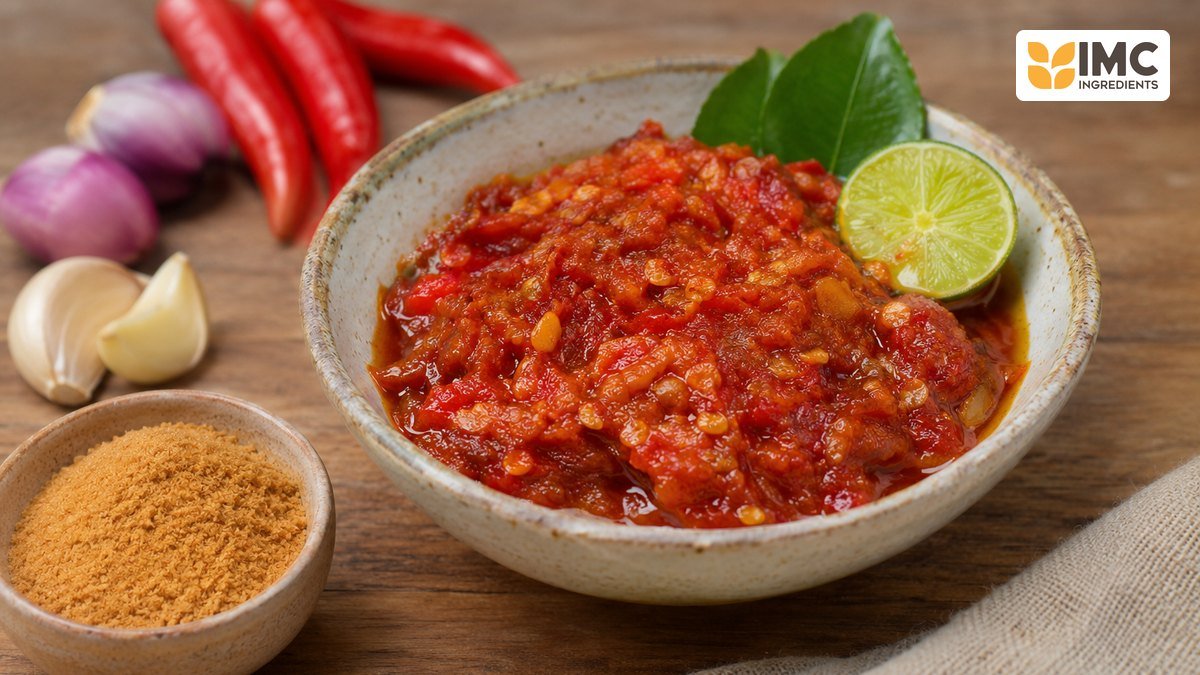
    Sambal is a chilli-based sauce or paste found across Indonesia. Many recipes include coconut sugar to round out the sharp heat of chilli and the saltiness of shrimp paste or salt. The sweetness is usually subtle, but it makes the flavour feel complete.

    Common sambal styles

    Style How coconut sugar is used
    Raw ground sambal Ground with chilli, shallot, salt
    Cooked sambal Added while frying the paste
    Sweet-spicy sambal Higher sugar level, glossy finish
    Tomato sambal Balances tomato acidity
    Sambal for dipping Dissolved with lime juice

    Raw sambal method

    Grind chillies, shallots, garlic and salt. Add a small amount of mesh 50 coconut sugar and lime juice. Taste and adjust. Fine sugar dissolves quickly in the moist paste.

    Cooked sambal method

    1. Grind chillies, shallots and garlic.
    2. Fry the paste in oil over moderate heat.
    3. Add coconut sugar and salt.
    4. Cook until oil separates and colour deepens.
    5. Add tomato, lime or tamarind as needed.
    6. Cool and store in clean jars.

    Sugar helps the paste caramelise, but stir often to prevent scorching.

    For sambal producers

    Retail sambal needs consistent heat, sweetness and colour. Weigh ingredients, record lots and measure pH and water activity where relevant. Shelf life and safety depend on the full formula and process, so work with a food technologist to validate them.

    Pairing ideas

    Sweet-spicy sambal pairs with fried tofu, tempeh, rice dishes and grilled vegetables. Tomato sambal suits fried snacks. A light sambal with lime works as a dip.

    Labelling

    Name coconut sugar in the ingredient list. If the sambal contains shrimp paste, fish or other allergens, declare them. Count coconut sugar as added sugar where rules require it.

    Jar filling and storage

    Fill jars while the sambal is hot if your validated process requires it, then close and cool. Leave a thin layer of oil on top to limit air contact. Once opened, store in the refrigerator and use a clean spoon each time.

    Where does IMC fit?

    PT Integral Mulia Cipta (IMC Group) has produced coconut sugar in Central Java, Indonesia, since 2012. IMC supplies mesh 50 and mesh 14 coconut sugar, including organic, to sauce makers and Indonesian food producers.

    FAQ

    Why add sugar to sambal? To balance heat, salt and acidity.

    How much should I use? Usually a small amount; taste and adjust.

    When should I add it in cooked sambal? While frying the paste, stirring often.

    Does retail sambal need testing? Yes, validate shelf life and safety.


    IMC Group (PT Integral Mulia Cipta) supplies fine-granule organic coconut sugar from Central Java to food companies worldwide. Talk to our team: info@organic-coconut-sugar.com or WhatsApp +62 821 1348 5564.

  • Coconut Sugar in Restaurant Kitchens: Basics

    Coconut Sugar in Restaurant Kitchens: Basics

    Quick answer: In a restaurant kitchen, coconut sugar works as a 1:1 swap by weight for white or brown sugar in most sauces, dressings, desserts and drinks. It brings caramel colour and flavour, dissolves well in warm liquids and needs airtight storage because it takes up moisture from humid kitchen air. Fine mesh 50 is the easiest grade for daily use.

    Key takeaways – Swap 1:1 by weight in most kitchen recipes. – Use fine mesh 50 for sauces and drinks, coarse mesh 14 for toppings. – Store in airtight containers away from steam. – Expect darker colour and caramel notes.

    Why chefs use coconut sugar

    Many restaurants use coconut sugar because it adds a gentle caramel flavour that white sugar does not have. It fits Southeast Asian dishes naturally, but chefs also use it in desserts, glazes, coffee drinks and dressings. Some menus mention it by name because guests recognise it as a less refined, plant-based sweetener. Any menu wording should stay factual and avoid health promises.

    Which grade fits which task

    Kitchen task Suggested grade Reason
    Sauces and glazes Mesh 50 Dissolves quickly
    Syrups for drinks Mesh 50 Smooth, fast to dissolve
    Desserts and batters Mesh 50 Blends evenly
    Crumble or brûlée-style tops Mesh 14 Visible crunch
    Rubs for grilling Mesh 50 or 14 Depends on texture wanted

    Storage in a busy kitchen

    Kitchens are warm and steamy, so coconut sugar can clump if it is left open. Keep it in a sealed, food-grade container with a tight lid. Use a dry scoop every time and store the container away from ovens, dishwashers and stock pots. Decant only what the shift needs and close the main bag straight away. If light clumping happens, the sugar can be broken up by hand or sieved.

    Simple swap rules

    1. Replace white or brown sugar 1:1 by weight.
    2. Taste the dish, because caramel notes may change the balance.
    3. For pale sauces, try a partial swap of 25 to 50 percent.
    4. Watch caramelising glazes closely, as they can colour faster.
    5. Dissolve the sugar in warm liquid first for dressings.

    Where coconut sugar shines on the menu

    Coconut sugar works well in dishes where its colour is welcome. Good examples are peanut sauces, satay glazes, braising liquids, caramel sauces, chocolate desserts, sticky rice dishes, iced coffee and spiced syrups. It is less suited to clear jellies or white meringues, where its brown tone shows clearly.

    Training the team

    Write the swap ratio and storage rule on the recipe card. Show new staff the difference between mesh 14 and mesh 50 so they choose the right bag. Label containers clearly so coconut sugar is not mixed up with brown sugar. A short tasting session helps cooks understand the flavour before they use it in service.

    Costing and portion control

    Coconut sugar usually costs more than white sugar, so weigh it rather than scooping by eye. Using a scale keeps dishes consistent between shifts and makes recipe costing accurate. A small batch of house syrup made each morning also helps control use behind the bar.

    Where does IMC fit?

    PT Integral Mulia Cipta (IMC Group) has produced coconut sugar in Central Java, Indonesia, since 2012. IMC supplies mesh 50 and mesh 14 coconut sugar, including organic, to food service distributors and food businesses, packed in paper bags with a food-grade PE liner.

    FAQ

    Can I use coconut sugar in every recipe? In most recipes yes, but pale or clear dishes will turn darker.

    Which grade is best for a kitchen? Mesh 50 for most uses, mesh 14 for crunchy toppings.

    How do I stop clumping? Store it sealed, away from steam, and use a dry scoop.

    Does it taste different? Yes, it adds caramel and toffee notes.


    Looking for a reliable coconut sugar partner? Contact PT Integral Mulia Cipta (IMC Group) in Central Java, Indonesia: info@organic-coconut-sugar.com or WhatsApp +62 821 1348 5564.

  • Coconut Sugar in Korean-Style Bulgogi Marinades

    Coconut Sugar in Korean-Style Bulgogi Marinades

    Quick answer: Coconut sugar works well in Korean-style bulgogi marinades as a 1:1 swap for white or brown sugar by weight. It balances soy sauce, garlic and fruit, and helps the meat caramelise on a hot grill. Use mesh 50 so it dissolves fully, and watch grill heat, because sugary marinades can char quickly.

    Key takeaways – Swap 1:1 by weight for the sugar in the recipe. – Mesh 50 dissolves quickly in cold marinades. – Coconut sugar adds caramel depth. – Control grill heat to avoid burning.

    Why sugar matters in bulgogi

    A bulgogi-style marinade usually combines soy sauce, sugar, garlic, sesame oil, black pepper and grated fruit such as pear or apple. Sugar balances the saltiness of soy, adds gloss and supports browning on the grill. Coconut sugar does all of this and adds a rounder caramel note.

    Typical marinade structure

    Ingredient group Role
    Soy sauce Salt and umami
    Coconut sugar Sweetness, colour, gloss
    Grated fruit Fruity sweetness, tenderising enzymes
    Garlic and spring onion Aroma
    Sesame oil Nutty flavour
    Pepper Mild heat

    How to use coconut sugar

    1. Dissolve mesh 50 coconut sugar in the soy sauce first.
    2. Stir until no granules remain.
    3. Add grated fruit, garlic and the rest of the ingredients.
    4. Mix with thinly sliced meat or plant-based protein.
    5. Marinate in the refrigerator for the planned time.

    Grilling and pan cooking

    Sugar in the marinade helps the meat brown quickly. Coconut sugar can colour slightly faster than white sugar. Cook on high heat for a short time and turn the meat often. Wipe excess marinade before cooking if pieces darken too fast.

    For sauce and ready-meal producers

    Industrial marinades and bottled sauces need consistent sweetness and colour. Fix the coconut sugar dose by weight, record the lot number, and check colour and Brix on each batch. If the sauce is heat treated, test whether the colour deepens during processing and adjust the recipe if needed.

    Plant-based versions

    The same marinade works on tofu, mushrooms and textured plant proteins. Because these absorb flavour differently, test marinating times. Coconut sugar keeps the marinade fully plant-based, which suits vegan product lines.

    Labelling notes

    List coconut sugar by its name in the ingredient list. Soy sauce and sesame are allergens in many markets and must be declared correctly. Count coconut sugar as added sugar where rules require it.

    Shelf life and storage of marinades

    Raw meat marinades should be made and used under cold chain control. Bottled marinades need their own shelf life tests, including checks on colour and flavour over time. Store opened bottles in the refrigerator and follow the label instructions.

    Where does IMC fit?

    PT Integral Mulia Cipta (IMC Group) has produced coconut sugar in Central Java, Indonesia, since 2012. IMC supplies mesh 50 and mesh 14 coconut sugar, including organic, to sauce makers and food service businesses.

    FAQ

    Can I replace white sugar 1:1? Yes, by weight.

    Which grade dissolves best in marinades? Mesh 50.

    Will the meat burn faster? It can colour slightly faster; control heat.

    Does it work for plant-based bulgogi? Yes, with tofu, mushrooms and plant proteins.


    IMC Group (PT Integral Mulia Cipta) supplies fine-granule organic coconut sugar from Central Java to food companies worldwide. Talk to our team: info@organic-coconut-sugar.com or WhatsApp +62 821 1348 5564.

  • Coconut Sugar in Indian-Style Sweets

    Coconut Sugar in Indian-Style Sweets

    Quick answer: Coconut sugar can sweeten many Indian-style sweets, especially those that already use jaggery-like brown sugars. It works in ladoo, milk-based sweets, halwa-style puddings and sugar syrups. Its caramel flavour pairs well with cardamom, ghee and nuts. In pale milk sweets, expect a darker colour and test the balance.

    Key takeaways – Fits sweets that traditionally use brown sugars. – Pairs well with cardamom, ghee and nuts. – Makes milk-based sweets darker. – Syrups need careful heating.

    Why coconut sugar fits

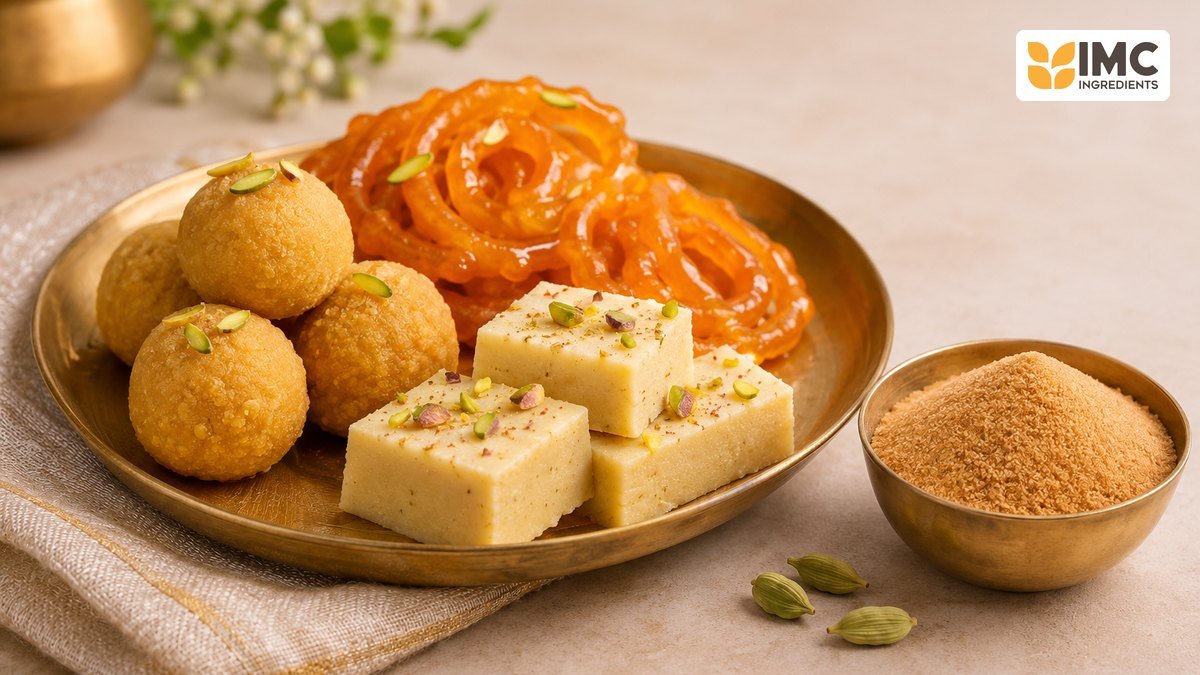
    Many Indian-style sweets use unrefined sugars that bring colour and depth. Coconut sugar has a similar warm, caramel character, which makes it a natural choice for sweets with a brown colour. Producers selling to diaspora markets and specialty shops use it to offer a different sweetener on the label.

    Uses by sweet type

    Sweet type Use of coconut sugar Notes
    Ladoo Mixed with roasted flour, ghee, nuts Mesh 50 blends well
    Milk-based fudge-style sweets Added near the end of cooking Darker colour
    Halwa-style puddings Dissolved during cooking Rich caramel taste
    Syrup-soaked sweets Made into syrup Watch syrup strength
    Chikki-style brittles Melted with nuts Cook carefully

    Making ladoo

    Roast flour or gram flour in ghee, cool slightly, then add mesh 50 coconut sugar, cardamom and chopped nuts. Mix well and shape while warm. The fine granules blend smoothly and help the ladoo hold together.

    Milk-based sweets

    When milk is reduced with sugar, add the coconut sugar later in cooking to limit dark colour and scorching. Stir constantly. Coconut sugar can make the sweet beige or light brown, which some buyers find attractive and others do not, so make a sample first.

    Syrups for soaking

    For sweets soaked in syrup, dissolve coconut sugar in water and simmer gently to the strength needed. Flavour with cardamom, rose water or saffron. Strain before use. Measure strength with a refractometer for consistency.

    Brittles and nut bars

    For chikki-style brittles, coconut sugar can be melted with a little water and cooked until thick before adding nuts. It melts differently from jaggery, so test temperatures and timing in small batches.

    Production tips

    1. Weigh all ingredients for consistency.
    2. Record cooking times and temperatures.
    3. Cool products before packing.
    4. Use packaging that limits moisture uptake.
    5. Run shelf life tests for texture and taste.

    Festival season planning

    Demand for sweets rises sharply around festivals. Plan ingredient orders early, keep coconut sugar in dry storage and rotate stock. A trial batch before the busy season helps avoid surprises on the production line.

    Where does IMC fit?

    PT Integral Mulia Cipta (IMC Group) has produced coconut sugar in Central Java, Indonesia, since 2012. IMC supplies mesh 50 and mesh 14 coconut sugar, including organic, to confectionery and sweet makers.

    FAQ

    Can coconut sugar replace jaggery? In many recipes it can, but taste and texture differ; test first.

    Will milk sweets turn brown? They will be darker; add sugar late in cooking.

    Which grade suits ladoo? Mesh 50.

    Does it work in syrups? Yes, simmer gently and strain.


    Looking for a reliable coconut sugar partner? Contact PT Integral Mulia Cipta (IMC Group) in Central Java, Indonesia: info@organic-coconut-sugar.com or WhatsApp +62 821 1348 5564.

  • Coconut Sugar in Graham-Style Crackers

    Coconut Sugar in Graham-Style Crackers

    Quick answer: Coconut sugar suits graham-style crackers because it adds the caramel, slightly molasses-like flavour these crackers are known for. Use mesh 50 in the dough, replace brown sugar 1:1 by weight and add a little liquid if you also replace honey. Bake evenly and cool fully before packing to keep the snap.

    Key takeaways – Coconut sugar gives a natural caramel note. – Mesh 50 blends smoothly into whole-grain dough. – Replace brown sugar 1:1 by weight. – Moisture control keeps crackers crisp.

    Why coconut sugar fits

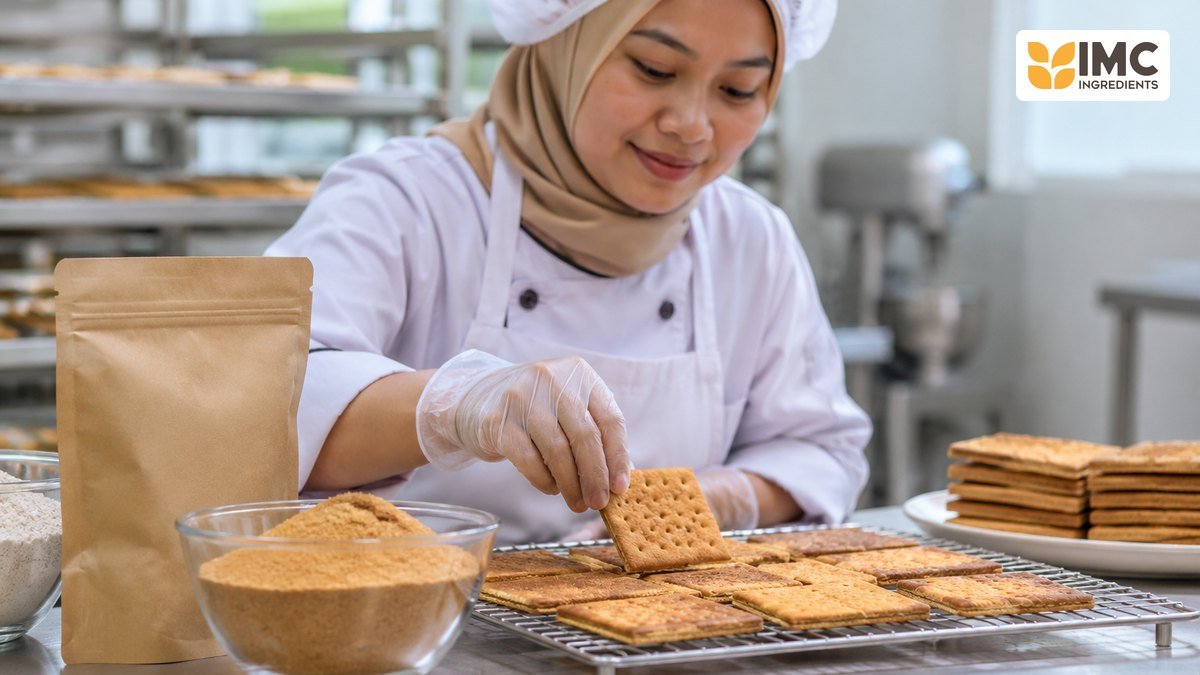
    Graham-style crackers are made with whole-wheat flour, sugar, fat and often honey or molasses. They have a warm, toasty flavour and a firm snap. Coconut sugar brings similar warm notes and a golden-brown colour, which suits both crackers sold as snacks and crumbs used for cheesecake bases.

    Typical formula roles

    Ingredient Role
    Whole-wheat flour Structure, flavour
    Coconut sugar Sweetness, colour, caramel notes
    Fat Tenderness, snap
    Liquid sweetener or water Dough binding
    Leavening Light texture
    Cinnamon (optional) Spice flavour

    Dough tips

    1. Cream fat and mesh 50 coconut sugar until even.
    2. Add liquid ingredients and mix briefly.
    3. Add flour and leavening; mix only until combined.
    4. Rest the dough to hydrate the bran.
    5. Sheet evenly to keep thickness consistent.
    6. Dock the dough to prevent bubbles.

    Replacing honey

    If you remove honey and use only coconut sugar, the dough becomes drier. Add a little water or milk to keep it workable. Taste the result, as honey also carries flavour.

    Baking and colour

    Coconut sugar can brown slightly faster than white sugar. Watch the edges and reduce oven temperature a little if they darken before the centre is dry. A long, moderate bake gives a crisp cracker with even colour.

    Crackers for crumbs and crusts

    Many crackers are ground into crumbs for pie and cheesecake bases. Coconut sugar crackers give a deeper colour crust. If you sell crumbs, test how they bind with butter or plant fat and how they bake in the customer’s recipe.

    Shelf life and packaging

    Crackers lose snap when they take up moisture. Cool fully before packing, use moisture-barrier film and check texture at the end of shelf life. Store finished goods in a dry warehouse.

    Flavour variations

    Coconut sugar crackers can be flavoured with cinnamon, cocoa, ginger or vanilla. A cinnamon-sugar top coat with mesh 14 adds sparkle and crunch. Keep any coating light so the crackers stay easy to stack and pack.

    Where does IMC fit?

    PT Integral Mulia Cipta (IMC Group) has produced coconut sugar in Central Java, Indonesia, since 2012. IMC supplies mesh 50 and mesh 14 coconut sugar, including organic, to bakeries and snack manufacturers.

    FAQ

    Can coconut sugar replace brown sugar in crackers? Yes, 1:1 by weight.

    What if I remove honey? Add a little liquid to keep the dough workable.

    Will the crackers be darker? Slightly; watch baking temperature.

    How do I keep them crisp? Cool fully and use moisture-barrier packaging.


    PT Integral Mulia Cipta (IMC Group) has produced organic coconut sugar in Central Java, Indonesia, since 2012. For specifications or samples, email info@organic-coconut-sugar.com or WhatsApp +62 821 1348 5564.