
Blog

  • Living Income and Smallholder Farmers

    Living Income and Smallholder Farmers

    Quick answer: A living income is the income a household needs for a decent standard of living, including food, housing, education, health care and some savings. Many smallholder farmers earn less than this. In coconut sugar supply chains, buyers and suppliers can contribute by building stable relationships, supporting productivity and paying fairly.

    Key takeaways – Living income covers basic needs plus a small buffer. – It is calculated for a specific region and household type. – Many smallholders earn below this level. – Long-term sourcing and support can help.

    What living income means

    Living income is different from minimum wage. Minimum wage applies to employees; living income applies to households, including farmers who sell their own products. Researchers estimate living income benchmarks for specific regions by looking at local costs.

    Why it matters

    Low income makes it hard for farmers to invest in safety, better tools or new trees. It can also push young people to leave farming. For buyers, low farmer income can mean unstable supply in the long term.

    Factors affecting farmer income

    Factor Effect
    Productivity More output per tree or per hour
    Price Value received per kilogram
    Costs Fuel, tools, transport
    Diversification Other crops and jobs
    Stability Regular sales and payments

    Practical steps for supply chains

    1. Build long-term relationships with suppliers.
    2. Share realistic forecasts.
    3. Pay on time.
    4. Support training and better tools.
    5. Support organic or other certification where it adds value.
    6. Encourage income diversification, such as home gardens.

    IMC’s CSR context

    IMC’s CSR activities include tool renewal with PUR Projet in 2023 and a GIZ develoPPP partnership since 2025 focused on training, safer work, organic certification and dwarf coconut. These activities aim to support farmers’ working conditions and productivity. IMC does not publish a living income figure in this article.

    Measuring progress

    Measuring income is difficult because farmers often have several income sources. Programmes may use surveys, case studies or indicators linked to productivity and costs. Be careful with conclusions from small samples.

    Avoiding claims

    Avoid claiming that a product “provides a living income” unless this is measured and verified. Simple, honest descriptions of activities are better.

    A shared responsibility

    No single buyer or supplier can close an income gap alone. Governments, development partners, companies and farmer groups each play a role. Joint programmes, like those with development agencies, can combine resources and expertise.

    Where does IMC fit?

    PT Integral Mulia Cipta (IMC Group) has produced coconut sugar in Central Java, Indonesia, since 2012. IMC works with farmer communities and supplies mesh 14 and mesh 50 coconut sugar, including organic.

    FAQ

    Is living income the same as minimum wage? No, it applies to households, including farmers.

    Who calculates living income? Researchers estimate benchmarks for specific regions.

    How can buyers help? Through stable sourcing, fair prices and support for productivity.

    Can a product claim to provide a living income? Only with measured and verified data.


    IMC Group (PT Integral Mulia Cipta) supplies fine-granule organic coconut sugar from Central Java to food companies worldwide. Talk to our team: info@organic-coconut-sugar.com or WhatsApp +62 821 1348 5564.
  • How Coconut Sugar Is Weighed and Packed

    How Coconut Sugar Is Weighed and Packed

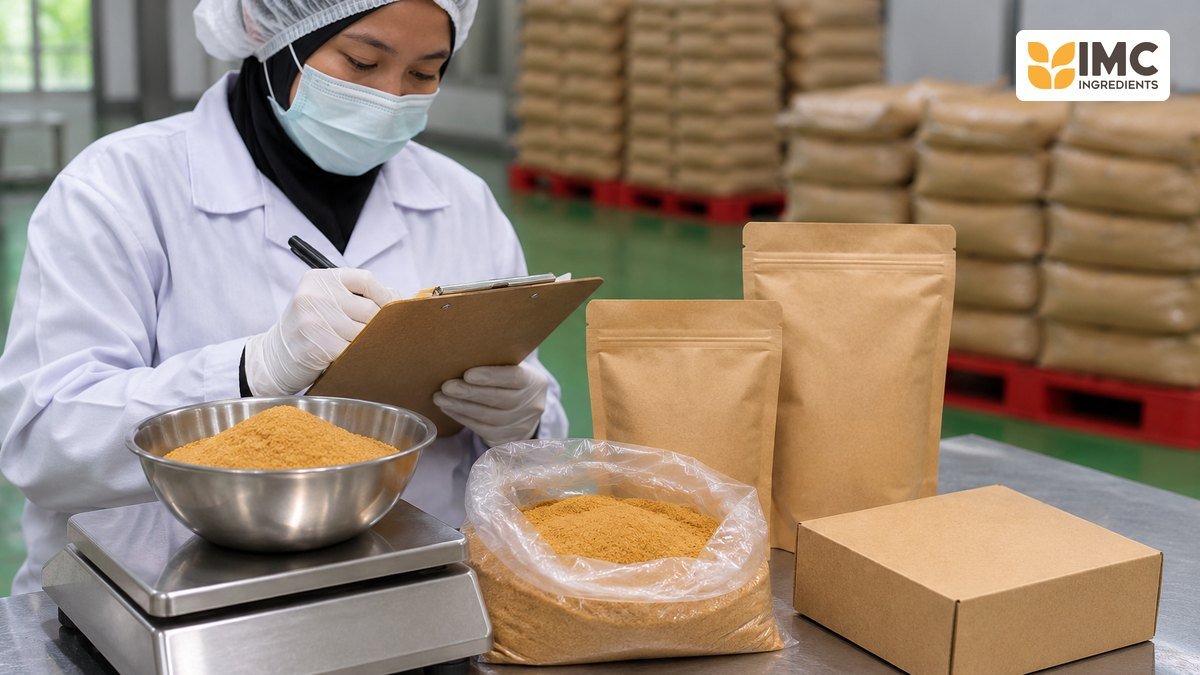
    Quick answer: After drying and sieving, coconut sugar is weighed into bags on calibrated scales, sealed inside a food-grade liner, closed, coded with a lot number and stacked for shipment. Accurate weighing, a good seal and clear coding protect the product and make every bag traceable.

    Key takeaways – Calibrated scales keep net weights accurate. – An inner liner protects against moisture. – Lot codes make each bag traceable. – Careful stacking prevents damage in transit.

    Why packing matters

    Coconut sugar takes up moisture from the air. A poor seal can lead to clumping before the sugar reaches the customer. Wrong weights cause disputes and stock errors. Good packing practice protects quality, keeps the customer’s production running and builds trust between supplier and buyer.

    The packing steps

    Step Purpose
    Final sieving Correct particle size, foreign matter removal
    Metal or foreign body check Product safety
    Weighing Correct net weight
    Liner sealing Moisture protection
    Bag closing Strength in transport
    Coding Traceability
    Stacking Safe handling and loading

    Weighing

    Scales should be checked daily with test weights and calibrated on a schedule. Operators record the tare weight of empty bags and liners so the net weight is right. Many factories also do random checkweighing of filled bags during the shift.

    Liners and bags

    IMC packs coconut sugar in paper bags with a food-grade PE liner. The liner is closed tightly to keep out humid air. The outer paper bag protects the liner from tears and makes stacking easier.

    Lot coding

    Each bag carries a lot code that links it to the production date and process records. If a customer has a question, the supplier can trace the bag back to its production records and retained samples. Clear, readable codes are essential.

    Stacking and storage before shipment

    1. Stack bags on clean, dry red plastic pallets.
    2. Keep stacks off the floor and away from walls.
    3. Use a stable stacking pattern.
    4. Wrap pallets where required.
    5. Store in a dry, covered area until loading.

    What buyers should check on arrival

    Check that bags are intact and dry. Compare lot codes with the documents. Weigh a few bags at random. Report any damage with photos straight away so the cause can be found.

    Hygiene in the packing room

    The packing room is the last point where the product is open to the air. Staff wear hairnets and clean clothing, and tools are kept clean and dry. Doors and windows are kept closed or screened, and the room is cleaned on a set schedule. These simple habits reduce the risk of foreign matter entering the bag.

    Records that support every bag

    Packing records note the date, lot code, number of bags, scale checks and the operator’s name. These records are kept with the production file. If a question comes up months later, the factory can show exactly how that lot was packed.

    Where does IMC fit?

    PT Integral Mulia Cipta (IMC Group) has produced coconut sugar in Central Java, Indonesia, since 2012. IMC packs mesh 14 and mesh 50 coconut sugar, including organic, in paper bags with a food-grade PE liner, with lot coding for traceability.

    FAQ

    How is net weight checked? On calibrated scales with regular test weights and random checks.

    Why use an inner liner? To protect the sugar from moisture.

    What does the lot code tell me? It links the bag to its production records.

    What pallets are used? Clean, dry plastic pallets.


    IMC Group (PT Integral Mulia Cipta) supplies fine-granule organic coconut sugar from Central Java to food companies worldwide. Talk to our team: info@organic-coconut-sugar.com or WhatsApp +62 821 1348 5564.
  • Home Gardens and Food Security in Villages

    Home Gardens and Food Security in Villages

    Quick answer: Home gardens are small plots near the house where families grow vegetables, herbs, spices and fruit. They help food security by providing fresh food close to home and can reduce household spending. In farming communities, home gardens add diversity and resilience alongside main crops.

    Key takeaways – Home gardens provide fresh food near the house. – They reduce spending and add variety to meals. – They support resilience when main income drops. – CSR programmes can support them with training and inputs.

    What food security means

    Food security means people have reliable access to enough safe and nutritious food. In rural villages, families may grow much of their own food, but changes in weather or income can affect access. Home gardens are one way to add stability.

    What families grow

    Plant group Examples
    Vegetables Leafy greens, beans, eggplant
    Spices Chilli, ginger, turmeric
    Herbs Lemongrass, basil, pandan
    Root crops Cassava, taro, sweet potato
    Fruit Papaya, banana

    Benefits for households

    1. Fresh food available daily.
    2. Lower spending at markets.
    3. Possible small extra income from surplus.
    4. More variety in meals.
    5. Use of household waste as compost.

    Links to coconut sugar communities

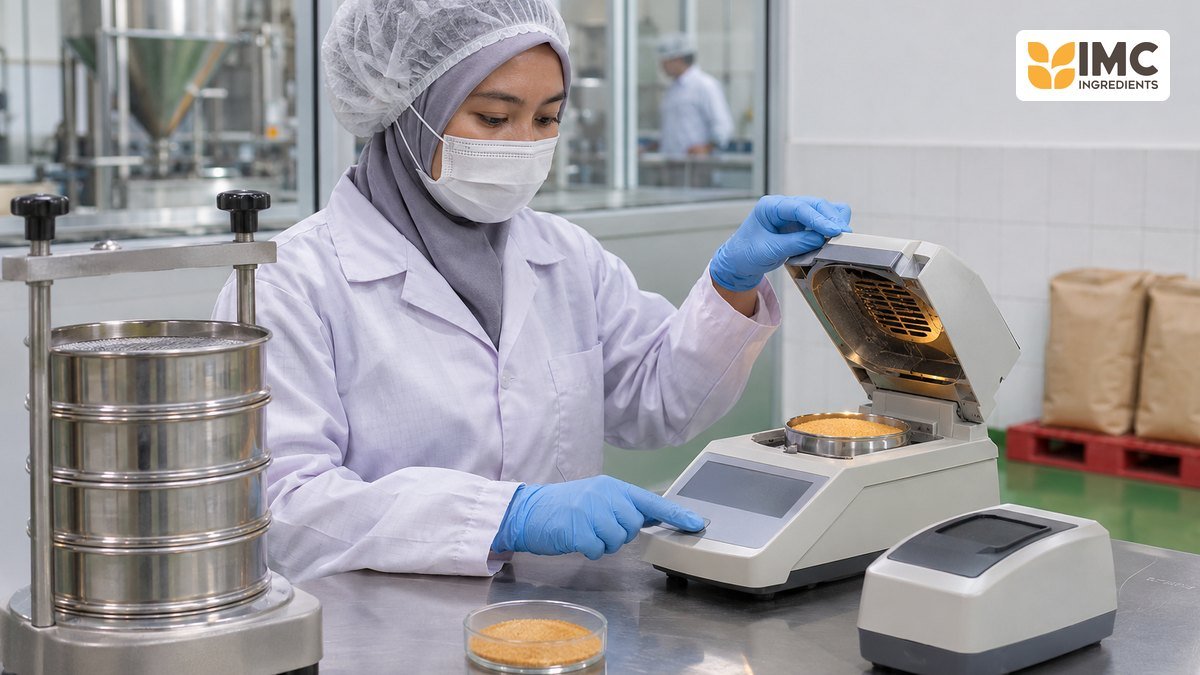
    In coconut sugar villages, family members often work at home cooking sap. Home gardens near the kitchen fit well into this routine. Diversifying food sources also helps when sap production drops in some seasons.

    How CSR can support home gardens

    CSR programmes can support training on planting, composting and pest management without synthetic inputs, especially in organic communities. Seeds and simple tools can be provided. Women’s groups often lead garden activities.

    Measuring results

    Simple indicators include the number of households with gardens, types of crops grown and participation in training. Avoid claims about health effects. Keep stories factual and based on what families report.

    Challenges

    Water access in dry months, limited space and pests can limit home gardens. Programmes should listen to families and adapt to local conditions.

    Gardens and organic certification

    In communities with organic certification, home gardens must also follow organic rules when they are near certified areas. Training on natural pest control and compost helps keep practices consistent across the village.

    Starting a garden programme

    A garden programme works best when it starts small. Begin with a few interested households, agree on simple crops that grow well locally and plan regular follow-up visits. Families who succeed can then share their experience with neighbours, which spreads good practice without heavy costs.

    Where does IMC fit?

    PT Integral Mulia Cipta (IMC Group) has produced coconut sugar in Central Java, Indonesia, since 2012. IMC works with farmer communities and supplies mesh 14 and mesh 50 coconut sugar, including organic.

    FAQ

    What is a home garden? A small plot near the house for growing food.

    How do home gardens help food security? They provide fresh food and reduce spending.

    Who usually manages them? Often women and older family members.

    Can CSR support home gardens? Yes, through training, seeds and tools.


    Looking for a reliable coconut sugar partner? Contact PT Integral Mulia Cipta (IMC Group) in Central Java, Indonesia: info@organic-coconut-sugar.com or WhatsApp +62 821 1348 5564.

  • GMP Basics in a Sugar Factory

    GMP Basics in a Sugar Factory

    Quick answer: Good Manufacturing Practice (GMP) is a set of basic rules that keep food safe and consistent. In a sugar factory, GMP covers building design, hygiene, staff practices, pest control, water quality, cleaning, equipment care and record keeping. GMP is the foundation for HACCP and food safety certifications.

    Key takeaways – GMP covers people, buildings, equipment and records. – Hygiene and cleaning prevent contamination. – Pest control and water quality are essential. – GMP supports HACCP and certification.

    What GMP means in practice

    GMP turns food safety principles into daily habits. In a coconut sugar factory, it means clean areas, trained staff, safe water, controlled pests and documented checks. It is not a single test but a way of working.

    Main GMP areas

    Area Examples
    Building Smooth walls, screened windows, good drainage
    Staff hygiene Handwashing, clean uniforms, hairnets
    Health rules Reporting illness, covering wounds
    Cleaning Schedules, approved chemicals, checks
    Pest control Traps, monitoring, records
    Water Safe source, regular testing
    Equipment Food-grade materials, maintenance
    Storage Dry, clean, off the floor
    Records Logs, training, corrective actions

    Staff practices

    1. Wash hands before work and after breaks.
    2. Wear clean uniforms, hairnets and masks where required.
    3. Remove jewellery.
    4. Eat and drink only in designated areas.
    5. Report illness to the supervisor.

    Zoning

    Factories separate raw material areas from finished product areas. Packing rooms often have stricter rules because the product is exposed. Clear signs and colour-coded tools help staff follow the zones.

    Cleaning and sanitation

    Cleaning schedules list what to clean, how, how often and who is responsible. Checks confirm that cleaning was done. In sugar processing, dry cleaning is often preferred in dry areas to prevent moisture problems.

    Pest control

    Factories use physical barriers, traps and regular inspections. Results are recorded and reviewed. Many factories use an external pest control service.

    Records and training

    GMP only works if it is documented and staff are trained. Training records, cleaning logs, pest reports and maintenance records show auditors and buyers that GMP is followed every day.

    Internal audits

    Many factories carry out regular internal GMP inspections. A team walks through the site with a checklist and notes any gaps, such as damaged screens or missing records. Findings are fixed and followed up. This keeps standards high between external audits.

    Where does IMC fit?

    PT Integral Mulia Cipta (IMC Group) has produced coconut sugar in Central Java, Indonesia, since 2012. IMC produces mesh 14 and mesh 50 coconut sugar, including organic, and welcomes buyer questions about its production practices.

    FAQ

    What is GMP? Basic rules for safe and consistent food production.

    Is GMP the same as HACCP? No, GMP is the foundation that HACCP builds on.

    Why is dry cleaning used? To avoid moisture problems with sugar.

    What records should exist? Cleaning, pest control, training and maintenance logs.


    Looking for a reliable coconut sugar partner? Contact PT Integral Mulia Cipta (IMC Group) in Central Java, Indonesia: info@organic-coconut-sugar.com or WhatsApp +62 821 1348 5564.
  • Formulating With Coconut Sugar: A Starter Guide

    Formulating With Coconut Sugar: A Starter Guide

    Quick answer: Coconut sugar is mostly sucrose, so it can replace white or brown sugar 1:1 by weight in many formulas. The main differences are colour, caramel flavour, a slightly higher tendency to absorb moisture and sometimes faster browning. Start with mesh 50, change one variable at a time and test the product over its full shelf life.

    Key takeaways – Coconut sugar behaves much like sucrose in most formulas. – Expect darker colour and caramel notes. – Moisture and browning need attention. – Test systematically and over shelf life.

    What formulators need to know

    Coconut sugar is made by cooking coconut blossom sap, crystallising it and drying it. Published analyses report sucrose at roughly 70 to 79 percent, with smaller amounts of glucose, fructose and natural minerals. Its brown colour and caramel taste come from the cooking process.

    Key properties for formulation

    Property What it means for formulas
    Sweetness Similar to sucrose; taste test to confirm
    Colour Light to medium brown
    Flavour Caramel, toffee, light molasses
    Moisture uptake Higher than refined white sugar
    Browning Can be faster due to reducing sugars
    Particle size Mesh 14 coarse, mesh 50 fine

    Choosing the grade

    Mesh 50 suits most formulations because it dissolves and blends easily. Mesh 14 is better for toppings or where visible granules are wanted. For chocolate and smooth spreads, mesh 50 is usually refined further.

    Step-by-step approach

    1. Define the target: flavour, colour, texture, cost and label.
    2. Make a control batch with your current sugar.
    3. Replace sugar 1:1 by weight with coconut sugar.
    4. Keep all other ingredients and process settings the same.
    5. Compare colour, taste, texture and processing behaviour.
    6. Adjust one variable at a time.
    7. Run shelf life tests on the best version.

    Common adjustments

    1. Lower baking temperature slightly to control browning.
    2. Adjust liquid if dough or batter consistency changes.
    3. Increase flavour pairings such as vanilla, cocoa or spices.
    4. Use moisture-barrier packaging for dry products.

    Partial replacement

    A partial swap, such as 25 or 50 percent, keeps a lighter colour while adding some caramel notes. This works well for products that must stay fairly pale.

    Labelling basics

    Use the ingredient name accepted in your market, usually “coconut sugar”. It counts as added sugar in many markets. Organic claims require certification. Avoid health claims unless approved.

    Working with your supplier

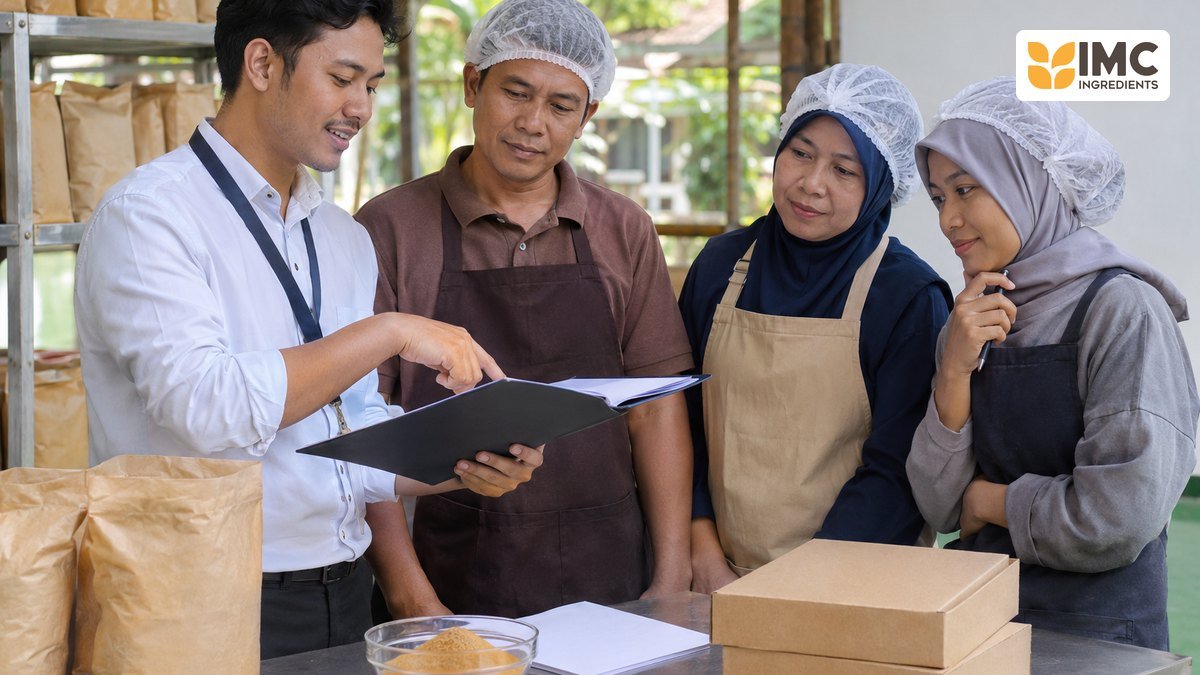
    Ask your supplier for a specification, a certificate of analysis per lot and typical nutrition data. Share your application so the supplier can recommend a grade. Keep a reference sample from the lot used in development.

    Scaling up from lab to plant

    Results in the lab do not always match production. Before launch, run at least one pilot or production trial with the final equipment, mixing times and ovens. Check how coconut sugar flows through hoppers and dosing systems, and confirm colour and texture on full-size batches.

    Where does IMC fit?

    PT Integral Mulia Cipta (IMC Group) has produced coconut sugar in Central Java, Indonesia, since 2012. IMC supplies mesh 14 and mesh 50 coconut sugar, including organic, to food manufacturers, with specifications and lot documents for development teams.

    FAQ

    Can coconut sugar replace sucrose 1:1? By weight, yes, in many formulas.

    Which grade should I start with? Mesh 50.

    What changes most? Colour, flavour and sometimes browning speed.

    Should I test shelf life? Yes, always with the final formula and packaging.


    PT Integral Mulia Cipta (IMC Group) has produced organic coconut sugar in Central Java, Indonesia, since 2012. For specifications or samples, email info@organic-coconut-sugar.com or WhatsApp +62 821 1348 5564.

  • EcoVadis-Style Ratings and Small Suppliers

    EcoVadis-Style Ratings and Small Suppliers

    Quick answer: Many large food companies ask suppliers to complete sustainability ratings, such as EcoVadis or similar platforms. These ratings assess policies, actions and results on environment, labour, ethics and sourcing. For small suppliers, the process can feel heavy, but good preparation and honest answers make it manageable.

    Key takeaways – Ratings assess policies, actions and results. – Evidence matters more than statements. – Small suppliers can start with simple policies and records. – Ratings are improved step by step.

    Why buyers ask for ratings

    Large companies must report on sustainability in their supply chains. Ratings give them a standard way to compare suppliers. A rating request is not a judgment; it is often part of routine supplier management.

    Typical themes

    Theme Examples of questions
    Environment Energy, water, waste, emissions
    Labour and human rights Working hours, safety, child labour
    Ethics Anti-bribery, data protection
    Sustainable procurement How suppliers are managed

    How scoring usually works

    Platforms look at three things: policies (what you commit to), actions (what you do) and reporting (how you measure). Documents are required as evidence. Answers without evidence score low.

    Preparing as a small supplier

    1. Write short, clear policies on key themes.
    2. Keep records of training, safety checks and complaints.
    3. Collect evidence of CSR activities.
    4. Assign one person to manage the questionnaire.
    5. Answer honestly; say “not yet” where needed.
    6. Plan improvements after receiving feedback.

    Costs and time

    Some platforms charge a fee and require several days of work. Discuss timelines with buyers. Ask whether the buyer accepts other evidence if a full rating is not possible right away.

    Using CSR information

    IMC’s CSR work, such as the PUR Projet tool renewal in 2023 and the GIZ develoPPP partnership since 2025, can be described with dates, locations and simple indicators. Use photos only with consent.

    Improving over time

    The first rating is a baseline. Use the feedback to plan improvements, such as an energy record or a supplier code of conduct. Small steps raise the score over time.

    Keeping documents ready

    Store policies, certificates and evidence in one folder with clear names and dates. When a new buyer asks for a rating or questionnaire, much of the material can be reused. Update the folder once a year so information stays current.

    Where does IMC fit?

    PT Integral Mulia Cipta (IMC Group) has produced coconut sugar in Central Java, Indonesia, since 2012. IMC supplies mesh 14 and mesh 50 coconut sugar, including organic, and shares CSR information with buyers on request.

    FAQ

    What does a sustainability rating assess? Policies, actions and reporting on key themes.

    Can small suppliers score well? Yes, with clear policies and evidence.

    Should I answer “not yet”? Yes, honesty is better than unsupported claims.

    Is the first rating final? No, it is a starting point for improvement.


    Questions about coconut sugar for your products? PT Integral Mulia Cipta (IMC Group), a Central Java producer since 2012, is happy to help. Email info@organic-coconut-sugar.com or WhatsApp +62 821 1348 5564.

  • Document Control in a Small Factory

    Document Control in a Small Factory

    Quick answer: Document control means making sure staff use the right version of procedures, forms and specifications, and that records are kept safely for the required time. In a small food factory, a simple system with version numbers, approval signatures, a master list and controlled copies is enough to meet audit and buyer expectations.

    Key takeaways – Every document needs a version and approval. – Keep a master list of current documents. – Remove old versions from work areas. – Store records safely for the agreed time.

    Why document control matters

    If a cleaning procedure changes but staff still use the old copy, mistakes happen. Buyers and auditors check whether documents are current and records are complete. Good document control keeps everyone working from the same instructions.

    Documents versus records

    Type Examples Feature
    Documents Procedures, work instructions, specifications Can be updated
    Records Filled forms, logs, test results Must not be changed

    Basic elements

    1. Document title and code.
    2. Version number and date.
    3. Author and approver.
    4. Master list showing current versions.
    5. Distribution list of where copies are kept.
    6. Process for withdrawing old versions.

    Making changes

    When a procedure changes, the author drafts the new version, the manager approves it and staff are trained. Old copies are collected and marked obsolete or destroyed. The master list is updated.

    Keeping records

    Records are kept in files or digital folders by month or lot. They should be legible, signed and dated. Mistakes are corrected with a single line and initials, not erased. Retention periods depend on shelf life, customer requirements and local law.

    Digital or paper?

    Small factories often use both. Paper forms work well on the production floor. Scanned copies and spreadsheets help with search and backup. Whatever the system, access should be controlled and backups made regularly.

    Supporting buyers and audits

    When a buyer asks for records about a lot, good document control makes it quick to find them. This builds trust and speeds up investigations.

    Common audit findings

    Auditors often find uncontrolled photocopies, forms without dates or signatures, and records filed out of order. A short monthly check by the quality team can catch these issues before an audit. Fixing them early is easier than explaining them later.

    Where does IMC fit?

    PT Integral Mulia Cipta (IMC Group) has produced coconut sugar in Central Java, Indonesia, since 2012. IMC supplies mesh 14 and mesh 50 coconut sugar, including organic, with lot records that support buyer questions.

    FAQ

    What is the difference between a document and a record? Documents give instructions; records show what was done.

    Why use version numbers? To make sure staff use the current version.

    How are record mistakes corrected? With a single line and initials, not erasing.

    How long are records kept? According to shelf life, customer and legal requirements.


    Questions about coconut sugar for your products? PT Integral Mulia Cipta (IMC Group), a Central Java producer since 2012, is happy to help. Email info@organic-coconut-sugar.com or WhatsApp +62 821 1348 5564.
  • Dissolving Coconut Sugar in Beverage Production

    Dissolving Coconut Sugar in Beverage Production

    Quick answer: In beverage plants, coconut sugar is usually dissolved in warm water with steady agitation to make a syrup, which is then filtered and blended into the drink. Fine mesh 50 dissolves fastest. Good hygiene, correct temperatures and filtration of small insoluble particles help produce a clean, consistent drink.

    Key takeaways – Make a syrup before blending into the final drink. – Warm water and agitation speed up dissolving. – Filter syrup to remove fine particles. – Treat syrup as a sensitive intermediate.

    Why make a syrup first?

    Dissolving sugar directly into a cold drink base is slow. A concentrated syrup made in warm water dissolves quickly, can be filtered and is easy to dose accurately into the main batch.

    Dissolving process

    1. Fill the tank with treated water.
    2. Heat to a warm temperature suited to your process.
    3. Start agitation.
    4. Add coconut sugar gradually to avoid lumps.
    5. Mix until fully dissolved.
    6. Check concentration with a refractometer (Brix).
    7. Filter through suitable filters.
    8. Cool or transfer to the blending tank.

    Factors that affect dissolving

    Factor Effect
    Particle size Fine mesh 50 dissolves faster
    Water temperature Warmer water dissolves faster
    Agitation Strong, steady mixing helps
    Addition rate Too fast causes clumps
    Concentration Very high concentrations slow dissolving

    Filtration

    Coconut sugar is a natural product and may contain very small insoluble particles. Filtration helps keep drinks clear and prevents sediment. Choose filter size based on the product and equipment.

    Hygiene and microbiology

    Sugar syrups can support microbial growth if handled poorly. Use clean tanks, controlled temperatures and short holding times. Many plants pasteurise or heat-treat syrups. Follow your HACCP plan.

    Quality checks

    1. Brix of the syrup.
    2. Colour.
    3. Clarity or turbidity.
    4. Taste and aroma.
    5. Microbiological checks as required.

    Handling bulk bags

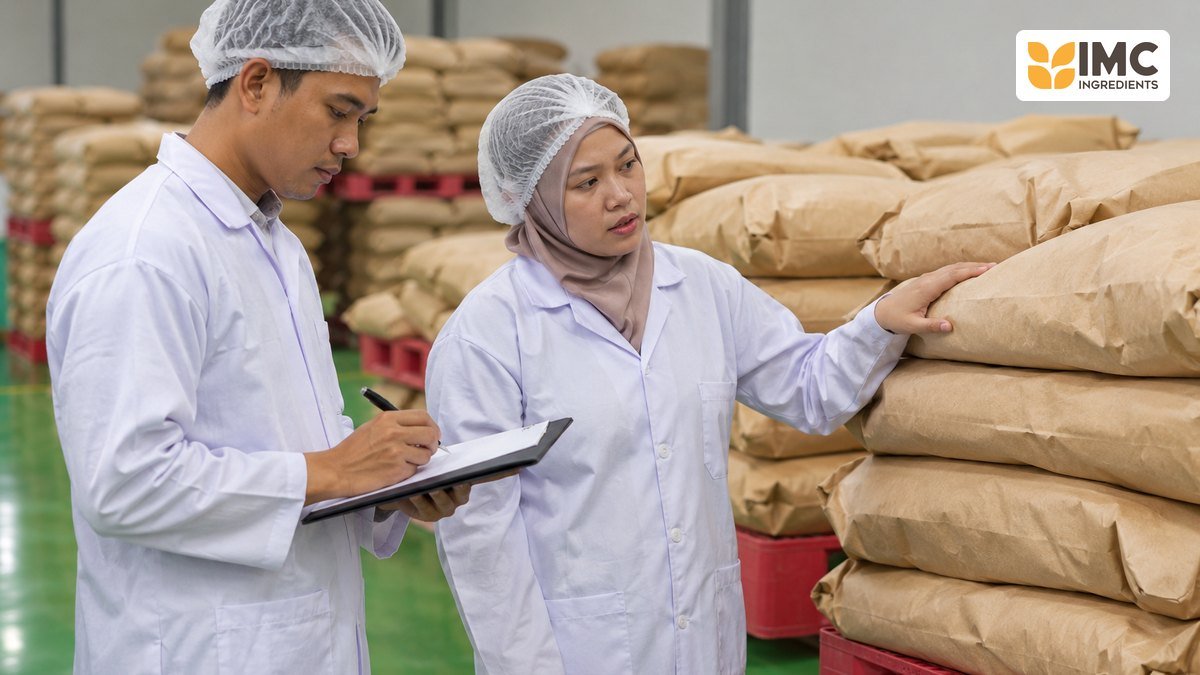
    Open bags carefully to avoid paper or thread entering the tank. Use a sieve or magnet at the sugar feed point. Record lot numbers for traceability.

    Cleaning between batches

    Sugar residues on tanks, pipes and filters can attract microbes and affect taste. Include syrup equipment in your cleaning plan and check that residues are fully removed before the next batch.

    Planning tank capacity

    Coconut sugar syrups take up a large share of tank volume in sweetened drinks. Plan syrup batch sizes to match blending schedules, so syrup does not sit for long periods before use. Shorter holding times support both quality and food safety.

    Where does IMC fit?

    PT Integral Mulia Cipta (IMC Group) has produced coconut sugar in Central Java since 2012. IMC supplies mesh 50 coconut sugar in paper bags with a food-grade PE liner to beverage producers, with lot numbers for traceability.

    FAQ

    Why make a syrup first? It dissolves faster and doses accurately.

    Which grade dissolves best? Mesh 50.

    Should I filter coconut sugar syrup? Yes, to remove fine particles.

    How do I check syrup strength? Measure Brix with a refractometer.


    PT Integral Mulia Cipta (IMC Group) has produced organic coconut sugar in Central Java, Indonesia, since 2012. For specifications or samples, email info@organic-coconut-sugar.com or WhatsApp +62 821 1348 5564.
  • Complaint Handling for Ingredient Suppliers

    Complaint Handling for Ingredient Suppliers

    Quick answer: Good complaint handling means receiving the complaint quickly, logging it, collecting samples and evidence, investigating the cause, taking corrective action and replying clearly to the buyer. A structured system protects food safety, keeps customers informed and helps the supplier improve over time.

    Key takeaways – Log every complaint with a reference number. – Collect evidence: photos, lot codes, samples. – Investigate root cause, not just symptoms. – Reply clearly and follow up.

    Why complaints matter

    Complaints are valuable information. They show where products or processes do not meet customer needs. Food safety standards require suppliers to have a documented complaint procedure. Buyers also judge suppliers by how they respond when something goes wrong.

    Complaint steps

    Step Action
    Receive Acknowledge quickly and assign a number
    Record Lot code, date, issue, quantities
    Evidence Photos, samples, documents
    Assess Is there a food safety risk?
    Investigate Retained samples, records, process
    Correct Fix the cause, not only the symptom
    Reply Explain findings and actions
    Close Confirm with the buyer and file

    Information to request from the buyer

    1. Product name and grade.
    2. Lot code and delivery date.
    3. Description of the problem.
    4. Photos of bags, labels and product.
    5. Quantity affected.
    6. A sample, if possible.

    Investigation

    Compare the buyer’s sample with the retained sample from the same lot. Check production, drying, sieving and packing records. Review transport and storage conditions. Sometimes the cause lies after delivery, such as damp storage at the buyer’s site; this should be explained politely and with evidence.

    Corrective and preventive action

    Corrective action fixes the immediate problem. Preventive action stops it from happening again. For example, if clumping came from a damaged liner, the supplier may change liner checks and the buyer may review storage.

    Communicating with the buyer

    Reply in clear, factual language. Avoid blaming. Give a timeline for investigation and keep the buyer updated. When finished, share the root cause and actions taken.

    Trend analysis

    Review complaints every month or quarter. Look for repeat issues by product, customer or season. Trends help management decide where to invest in improvements.

    Training staff to receive complaints

    Sales and customer service staff are often the first to hear about a problem. Train them to collect the key details, stay calm and pass the complaint to quality straight away. A simple checklist helps them ask the right questions.

    Where does IMC fit?

    PT Integral Mulia Cipta (IMC Group) has produced coconut sugar in Central Java, Indonesia, since 2012. IMC supplies mesh 14 and mesh 50 coconut sugar, including organic, with lot coding and retained samples to support complaint investigation.

    FAQ

    What should I send with a complaint? Lot code, photos, description and a sample if possible.

    How are complaints investigated? By comparing samples and checking production records.

    What is a corrective action? A fix for the cause of the problem.

    Will I get a written reply? A good supplier replies in writing with findings and actions.


    Questions about coconut sugar for your products? PT Integral Mulia Cipta (IMC Group), a Central Java producer since 2012, is happy to help. Email info@organic-coconut-sugar.com or WhatsApp +62 821 1348 5564.

  • Coconut Sugar pH and Acidity

    Coconut Sugar pH and Acidity

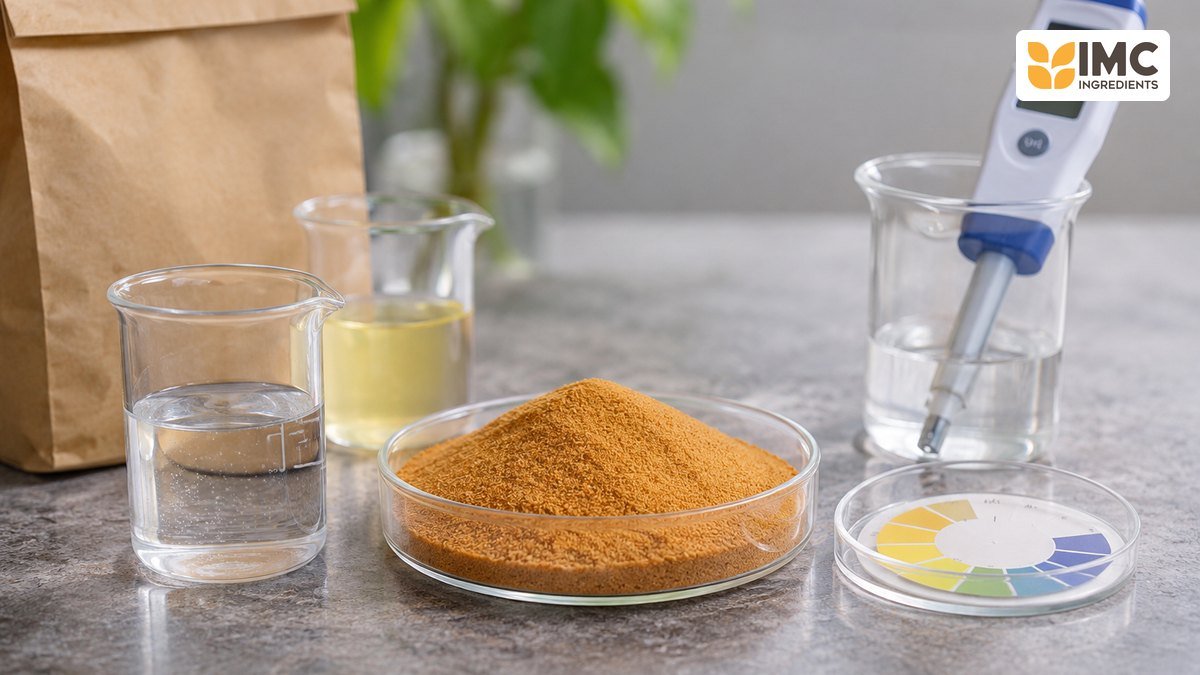
    Quick answer: Coconut sugar dissolved in water is usually mildly acidic to near neutral. Its pH matters for beverages, baked goods with leavening and sauces with acid balance. Measure pH on a standard solution, such as 10 percent in distilled water, and agree a range in the specification if it is critical for your product.

    Key takeaways – Coconut sugar solutions are usually mildly acidic to near neutral. – pH can vary slightly between lots. – It matters most in drinks and leavened bakery. – Measure on a standard solution for fair comparison.

    Why pH matters in formulation

    pH affects flavour, colour, microbial stability and how other ingredients behave. In beverages, small pH shifts can change taste and preservative performance. In baking, acidity influences how baking soda reacts. In sauces, pH is part of the safety and shelf life design.

    How to measure pH

    1. Prepare a solution, for example 10 g sugar in 90 g distilled water.
    2. Stir until fully dissolved.
    3. Calibrate the pH meter with standard buffers.
    4. Measure at a set temperature, such as 20 to 25 °C.
    5. Record the result with the lot number.

    Using the same method every time makes results from different lots comparable.

    Where pH matters most

    Product Why pH matters
    Ready-to-drink beverages Taste and preservative performance
    Acidified sauces Safety and shelf life
    Cakes and cookies with soda Leavening reaction and colour
    Dairy drinks Protein stability
    Fermented products Starting conditions for cultures

    Effects in baking

    Because coconut sugar is slightly acidic, it can react a little with baking soda. In most recipes this effect is small. If cakes rise differently after switching sugars, check leavening first. A small adjustment to soda or baking powder may help.

    Effects in beverages

    Drink formulators usually control pH with acids such as citric acid. Coconut sugar is one input among many. Measure the final drink pH after adding all ingredients and adjust the acid dose rather than relying on sugar alone.

    What to ask your supplier

    Ask whether pH is tested and what typical range they see. If pH is important for your product, include a range in the specification and request results on the certificate of analysis. Do not assume a figure; base it on test data.

    Temperature and pH readings

    pH readings change slightly with temperature. Always measure at the same temperature, or use a meter with automatic temperature compensation. Record the temperature with the reading, so results from different days and labs can be compared fairly.

    Keeping pH data useful

    Store pH results in a simple spreadsheet by lot number and date. Over months, this shows the normal range and makes unusual results easy to spot. Share the trend with your supplier if you see a shift, so both sides can look for the cause.

    Where does IMC fit?

    PT Integral Mulia Cipta (IMC Group) has produced coconut sugar in Central Java, Indonesia, since 2012. IMC supplies mesh 14 and mesh 50 coconut sugar, including organic, and works with customers on the specification parameters their products need.

    FAQ

    Is coconut sugar acidic? In solution it is usually mildly acidic to near neutral.

    How should I measure pH? On a standard solution with a calibrated meter.

    Will it affect my baking soda? Slightly; check leavening if results change.

    Can pH be in the specification? Yes, if it matters for your product.


    Questions about coconut sugar for your products? PT Integral Mulia Cipta (IMC Group), a Central Java producer since 2012, is happy to help. Email info@organic-coconut-sugar.com or WhatsApp +62 821 1348 5564.